


Vertical integration happens when a company grows by controlling more parts of its supply chain, such as production, distribution, or retail. Horizontal integration happens when a company grows by merging with, acquiring, or combining with another company that does similar work at the same level of the market. Vertical integration is about control across stages. Horizontal integration is about size and power within the same stage.
This difference matters because the strategy changes the goal. One aims to gain supply chain control and efficiency. The other often aims to gain market share, reduce competition, and grow faster in the same industry space.
What Vertical Integration Means
Vertical integration happens when a company expands into another stage of its own supply chain. Instead of only doing one part of the business, it starts controlling more of the steps that happen before or after its main activity.
For example, a clothing brand that normally only sells finished clothes might buy a textile factory. That would be vertical integration because the brand is moving backward into an earlier production stage. If the same brand opens its own retail stores instead of relying only on outside shops, that is also vertical integration because it is moving forward into distribution or sales.
So the key idea is not just growth. It is supply chain control. The company is stretching up or down the production chain rather than staying at one single level.

What Horizontal Integration Means
Horizontal integration happens when a company expands by combining with another company that operates at the same level of the market. This usually means buying a competitor, merging with a similar firm, or increasing scale in the same business line.
For example, if one fast food chain acquires another fast food chain, that is horizontal integration. If one airline merges with another airline, that is horizontal integration too. In both cases, the firms are doing similar work in the same general market position.
The main goal here is usually not supply chain control. It is market expansion. The company wants more customers, more market share, more locations, or stronger competitive power in the same industry level.
The Core Difference Between Vertical and Horizontal
The easiest way to remember the difference is this. Vertical integration goes up or down the supply chain. Horizontal integration moves across the same level of the market.
Vertical integration connects different stages, such as raw materials, manufacturing, shipping, or retail. Horizontal integration connects similar companies doing similar work. One builds control across steps. The other builds size within one step.
That is the most important difference, and once you understand it, the examples become much easier to recognize.
| Category | Vertical integration | Horizontal integration |
|---|---|---|
| Main direction | Up or down the supply chain | Across the same market level |
| Main goal | More control over production or distribution | More market share and size |
| Typical move | Buy supplier or distributor | Buy competitor |
| Key benefit | Efficiency and supply chain control | Growth and reduced competition |
How Vertical Integration Works
A vertically integrated company handles more than one step in bringing a product to the customer. This can happen in two major directions, backward integration and forward integration.
Backward integration means moving toward the source of production. For example, a furniture company buying a wood supplier is moving backward in the supply chain. Forward integration means moving closer to the final customer. For example, a manufacturer opening its own branded stores is moving forward.
Both forms are vertical because the company is connecting separate layers of its value chain. It is not just getting bigger. It is becoming involved in more of the journey from input to sale.
How Horizontal Integration Works
Horizontal integration works by combining businesses that offer similar goods or services at the same point in the market. Usually this happens through mergers, acquisitions, or aggressive expansion against direct rivals.
A company may choose this strategy because it wants more customers, wider geographic reach, less competition, or stronger brand presence. If two supermarket chains combine, they are still operating in the same general business role, but now with greater scale.
The power of horizontal integration comes from size. Bigger market presence can lead to stronger bargaining power, more brand recognition, and potentially lower average costs through larger operations. If you want a more detailed business angle on deal size, M&A transaction size classification criteria gives a useful next step because many horizontal deals are discussed in merger and acquisition terms.
Examples of Vertical Integration
A classic example of vertical integration is a car company that owns or controls parts manufacturing, assembly, and sales outlets. Instead of depending fully on outside suppliers and dealerships, it handles more stages itself.
Another example is a coffee chain that buys coffee farms or roasting facilities. That move helps it control more of the supply chain from raw input to finished retail product. A streaming company that starts producing its own content instead of relying only on outside studios is also showing a kind of vertical integration.
The common pattern is always the same. The company expands into an earlier or later stage connected to its main product or service.
Examples of Horizontal Integration
A simple example is one social media company acquiring another social media platform. Another is one bank merging with another bank. Another is one hotel chain buying another hotel chain.
In each case, the acquiring company is not moving into a new supply chain stage. It is becoming larger within the same business category. It is stacking similar operations side by side.
This is why horizontal integration is often easy to spot in the news. When one competitor buys another competitor, that is usually the clearest sign.
Benefits of Vertical Integration
One major benefit of vertical integration is greater control. A company may gain more control over input quality, delivery timing, product consistency, or customer experience. This can reduce dependence on outside partners and make operations more predictable.
Another benefit is cost management. If a company controls more of the supply chain, it may reduce markup costs charged by suppliers, distributors, or retailers. Over time, that can improve efficiency and margins.
Vertical integration can also improve coordination. When the same company manages several linked stages, communication and planning may become smoother. That can help with speed, consistency, and long term strategy.
Risks of Vertical Integration
Vertical integration is not automatically a perfect strategy. One risk is that it can become expensive and complex. Managing raw materials, manufacturing, logistics, and sales all at once may stretch the business too far.
Another risk is reduced flexibility. A company tied closely to its own supply chain may be slower to switch suppliers, change methods, or adapt to new markets. It may become too committed to an internal system that no longer works well.
There is also execution risk. A company may be excellent at one business stage but weak at another. Buying into a new stage does not guarantee success. It just creates new responsibilities.
| Strategy | Main benefits | Main risks |
|---|---|---|
| Vertical integration | More control, better coordination, lower dependency | Higher complexity, bigger investment, less flexibility |
| Horizontal integration | More market share, stronger scale, reduced competition | Antitrust risk, integration problems, overexpansion |
Benefits of Horizontal Integration
The biggest benefit of horizontal integration is market growth. A company can gain customers, locations, products, and revenue more quickly by combining with a similar firm than by building everything slowly from scratch.
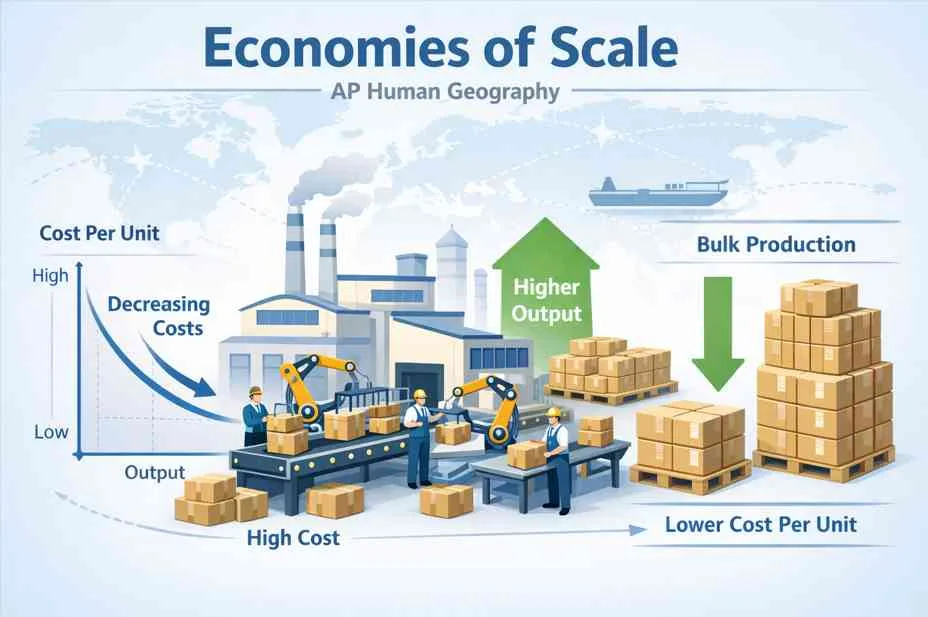
Another benefit is scale. Larger businesses may get better pricing from suppliers, stronger advertising reach, and better brand visibility. Bigger scale can also lower average costs if operations are combined efficiently.
Horizontal integration may also reduce competition. If a company acquires a rival, it may gain a stronger position in the market and more pricing power, though that can also bring legal scrutiny.
Risks of Horizontal Integration
One major risk is antitrust or competition law trouble. If a merger makes one company too dominant, regulators may block the deal or require changes. This is one of the most common issues in large horizontal mergers.
Another risk is integration failure. Two similar companies may still have very different cultures, systems, and leadership styles. Combining them can be messy and expensive, even when the logic of the deal looks strong on paper.
There is also the risk of overpaying. If a company spends too much to buy a rival, the hoped for benefits may take too long to appear or may never fully materialize.

When Vertical Integration Makes More Sense
Vertical integration often makes more sense when a company faces supply chain problems, quality inconsistency, high dependency on outside partners, or strategic pressure to control production and delivery more closely.
It can also make sense when a business wants stronger long term control over customer experience or product inputs. For example, if supply disruptions are hurting the company badly, moving into supplier ownership may feel worth the cost.
In short, vertical integration often fits companies that want control, stability, and coordination more than simple size.
When Horizontal Integration Makes More Sense
Horizontal integration often makes more sense when a company wants faster growth in the same market. If the goal is to gain customers, remove a rival, expand into new regions quickly, or grow brand power, horizontal integration may be the better move.
It can also be attractive when a market is fragmented and a larger player sees a chance to consolidate. By bringing similar firms together, the company may build stronger scale and a clearer competitive position.
So horizontal integration usually fits businesses that want greater reach and stronger market presence rather than deeper supply chain ownership.
Vertical Integration vs Horizontal in Real Strategy
In the real world, some companies use both strategies at different times. A company might first grow horizontally by buying competitors, then grow vertically by buying suppliers or distributors. These are not always mutually exclusive choices.
What matters is understanding the logic behind each move. If the company is reaching into another supply chain stage, that is vertical. If it is combining with a similar company at the same level, that is horizontal.
This is why business strategy questions often ask not only what the company did, but why it did it. The intention behind the expansion often makes the category clearer. If your content plan also touches business growth and execution, professional digital solutions can work as a broader internal read on how companies build stronger competitive systems over time.
Common Mistakes People Make
One common mistake is thinking vertical integration means any growth that looks complex. That is not true. Vertical integration specifically means expanding across different supply chain stages, not just becoming a bigger company in general.
Another mistake is assuming horizontal integration means any partnership. It does not. It specifically refers to combining with or expanding alongside similar companies at the same market level.
A third mistake is focusing only on size. Size can happen in both strategies. The real difference is the direction of expansion, either across the chain or across the same layer.
Easy Way to Remember the Difference
A simple memory trick is this. Vertical means stages. Horizontal means same stage. If a company moves toward suppliers or customers, think vertical. If it moves toward competitors, think horizontal.
You can also picture it like a chart. Vertical goes up and down. Horizontal goes side to side. That visual is often enough to keep the two ideas clear.
Once you remember that basic map, most examples become much easier to classify correctly.
 Conclusion
Vertical integration vs horizontal comes down to the direction of business growth. Vertical integration means expanding into different stages of the supply chain, such as suppliers, manufacturing, distribution, or retail. Horizontal integration means expanding at the same stage by combining with competitors or similar firms. One focuses on control across steps. The other focuses on size across the same step.
The better strategy depends on the business goal. If a company wants more supply chain control and operational coordination, vertical integration may fit better. If it wants more market share and scale in the same industry, horizontal integration may be the stronger move. Once you understand that difference, the terms become much easier to use correctly.