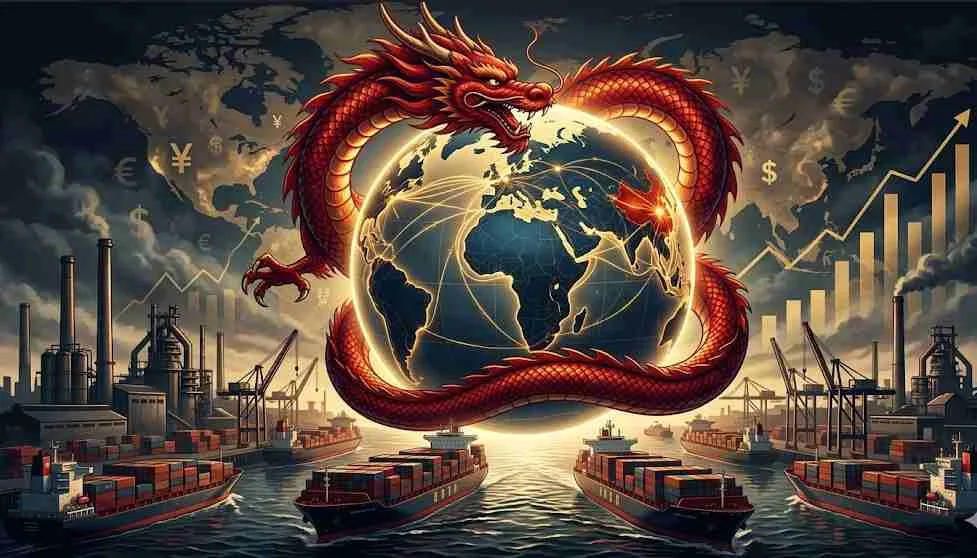



Foreign trade policy means a government’s strategy and rules for managing trade with other countries, including imports, exports, tariffs, quotas, licensing, trade agreements, and other regulations. It is used to promote economic goals such as export growth, domestic industry protection, market access, employment, competitiveness, and trade balance management. UNCTAD notes that international trade is influenced by tariffs and a wide array of non tariff measures, which are core parts of trade policy.
This matters because foreign trade policy affects prices, jobs, business strategy, investment, economic growth, and even diplomacy. It is not only about customs paperwork. It is one of the main ways governments shape their place in the global economy.
What Foreign Trade Policy Means
Foreign trade policy is the set of government rules, measures, and decisions that regulate trade with other countries. This includes policies on imports and exports, trade taxes, tariffs, quotas, standards, licensing, customs procedures, and trade agreements. In simple terms, it is the government’s playbook for handling international trade.
Some countries use foreign trade policy mainly to support exports and improve access to foreign markets. Others use it more defensively to protect local industries from foreign competition. In most cases, it does both at the same time. It tries to encourage some parts of trade while limiting or managing others.
So if someone asks for the meaning of foreign trade policy, the best short answer is this. It is the government policy framework that guides how a country trades with the rest of the world.

Why Foreign Trade Policy Exists
Foreign trade policy exists because trade is too important to leave completely unmanaged. Imports and exports affect domestic production, jobs, prices, strategic industries, food supply, tax revenue, and international relationships. Governments therefore create policies to guide trade in a way that supports national goals.
Trade.gov explains that different countries apply different laws, rules, documentation, licensing, testing, labeling, and trade requirements. That shows foreign trade is not just a market activity. It is also a legal and policy activity shaped by state decisions.
In other words, foreign trade policy exists because trade creates opportunities and risks at the same time. Governments want to maximize the benefits and manage the risks. That is the core reason trade policy matters so much.
Main Objectives of Foreign Trade Policy
Foreign trade policy can have many goals, but some of the most common ones appear across countries again and again. One major goal is export promotion. Governments often want domestic firms to sell more abroad so the country can earn foreign exchange and support growth.
Another major goal is protecting domestic industries. Governments may use tariffs, quotas, or standards to slow foreign competition in sectors they consider important. UNCTAD notes that tariffs remain an important policy tool and that non tariff measures regulate a large share of world trade.
Other common goals include improving competitiveness, creating jobs, reducing trade deficits, protecting food or energy security, and strengthening strategic industries. So foreign trade policy is usually a mix of development policy, industrial policy, and external economic policy.
| Main objective | Why governments use it |
|---|---|
| Export promotion | To increase sales abroad and earn foreign exchange |
| Import control | To protect domestic producers or manage sensitive sectors |
| Employment support | To help local industries and jobs survive or grow |
| Trade balance management | To reduce excessive dependence on imports |
| Strategic security | To protect industries tied to food, energy, or technology |
Main Tools of Foreign Trade Policy
Foreign trade policy uses many tools. The most familiar one is the tariff, which is a tax on imported goods. Tariffs can make foreign goods more expensive and give domestic producers more room to compete. UNCTAD’s 2025 global trade update specifically describes tariffs as an important trade policy tool that can protect domestic industries and generate government revenue.
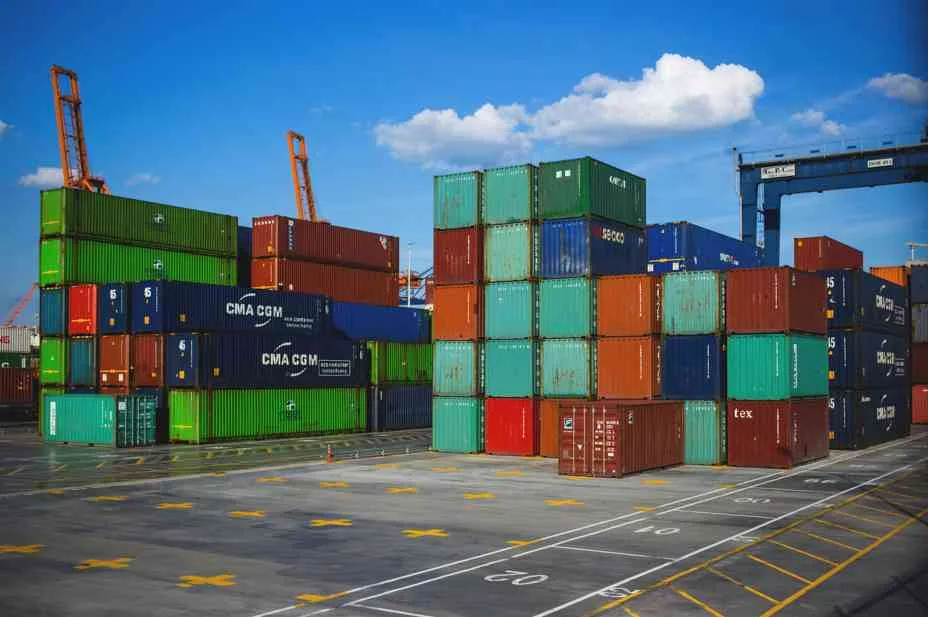
Another tool is quotas. Quotas limit the amount of a product that can be imported or exported. A government can also use licensing rules, documentation requirements, import standards, testing requirements, and labeling rules. Trade.gov explains that almost all countries require documentation and specific import regulations to ensure safety, quality, and conformity.
Trade agreements are also part of foreign trade policy. These agreements may lower tariffs, define customs rules, and set broader trade terms between countries. So foreign trade policy includes both restrictions and liberalization tools, depending on what the government wants to achieve.
Tariff Policy in Foreign Trade
Tariffs are one of the oldest and most visible parts of foreign trade policy. A tariff is a duty charged on imported goods. Governments may use tariffs to raise revenue, protect domestic producers, or respond to foreign trade measures.
UNCTAD’s recent trade updates show that tariffs remain a central policy issue in global trade debates. Even in a world with many trade agreements, tariffs still matter because they directly affect the cost of imported goods.
However, tariffs can also raise costs for domestic consumers and businesses that rely on imported inputs. That is why foreign trade policy is often a balancing act. A tariff may help one group while making conditions harder for another.
Non Tariff Measures in Foreign Trade Policy
Foreign trade policy is not only about tariffs. In many cases, non tariff measures have become even more important. UNCTAD says international trade is influenced by a wide array of non tariff measures and that technical measures regulate about two thirds of world trade.
These measures can include health and safety rules, sanitary and phytosanitary requirements, quality standards, product certification, customs procedures, packaging rules, and environmental regulations. They may be used for legitimate public purposes, but they can also affect market access in powerful ways.
This is why modern foreign trade policy is more complex than just customs duties. A country may have low tariffs but still maintain strong regulatory barriers that shape who can trade and under what conditions.
Foreign Trade Policy and Trade Agreements
Trade agreements are a major part of foreign trade policy because they define how countries trade with each other under shared rules. WTO principles emphasize non discrimination, predictability, and a more open trading system. These principles form the foundation of the multilateral trade framework.
Countries also sign bilateral and regional trade agreements. UNCTAD’s trade policy statistics note that a large share of world trade now takes place between countries sharing preferential trade agreements. These agreements may lower tariffs and cover broader areas such as services, investment rules, and regulatory cooperation.
That means foreign trade policy is not only about what one country does alone. It is also about what that country negotiates and agrees to with others.
Foreign Trade Policy and Export Promotion
Many governments use foreign trade policy not only to limit imports but also to promote exports. This can include export incentives, trade missions, export finance support, customs simplification, and market access negotiations. The general goal is to help domestic firms sell abroad more effectively.
Export promotion matters because foreign sales can support economic growth, jobs, and industrial development. A country that expands exports may earn more foreign exchange and improve its balance of payments position.
This is why foreign trade policy is often closely connected with industrial development strategy. Governments do not just ask what to import less. They also ask what to sell more to the world.
Foreign Trade Policy and Domestic Industry Protection
Another major use of foreign trade policy is protecting domestic industry. Governments may believe that some sectors need time, support, or protection to survive against stronger foreign competition. This can happen in manufacturing, agriculture, technology, or other sectors seen as important for development or security.
Protection can take the form of tariffs, quotas, local content rules, licensing, or standards. It may help domestic firms in the short run, but it can also reduce competition and raise costs if it continues too long without improving productivity.
So protection is one of the most debated parts of foreign trade policy. Supporters see it as necessary for strategic development. Critics see it as a source of inefficiency and higher consumer prices.
| Policy tool | What it does |
|---|---|
| Tariff | Raises the cost of imports |
| Quota | Limits the quantity of imports or exports |
| Licensing | Requires official approval for some trade flows |
| Standards and testing | Controls product entry based on quality or safety rules |
| Trade agreement | Sets trade terms with other countries |
| Export support | Helps domestic firms sell abroad |
Why Foreign Trade Policy Changes Over Time
Foreign trade policy is not fixed forever. It changes because economic conditions, political priorities, and international relationships change. A country may move toward more open trade when it wants investment and export growth. It may move toward stronger protection when domestic industries are under pressure or when geopolitical tensions rise.
UNCTAD’s recent publications highlight growing trade policy uncertainty and show how sudden shifts in tariffs, subsidies, and restrictions can affect global trade. That means foreign trade policy is often dynamic rather than stable.
This is one reason businesses watch trade policy closely. A change in tariff rates, customs rules, or market access conditions can completely alter the cost and feasibility of international trade.
Foreign Trade Policy in Simple Words
If you need a very simple meaning, use this. Foreign trade policy is the government’s plan and rules for controlling trade with other countries. It decides how imports and exports are taxed, regulated, encouraged, or limited.
This simple definition works well because it includes both sides of the policy. It shows that foreign trade policy is not only about restrictions. It is also about promotion, negotiation, and strategic management.
So when you see the term in textbooks, business articles, or policy discussions, think of it as the country’s trade rulebook for the outside world.
Importance of Foreign Trade Policy for Students and Businesses
For students, foreign trade policy is important because it explains how governments influence trade, industry, prices, and global economic relations. It appears in economics, business, political science, and international relations studies.
For businesses, it is important because it affects import costs, export access, customs procedures, licensing needs, product standards, and international expansion strategy. Trade.gov’s regulatory pages make it clear that exporters and importers must understand country specific laws and procedures before entering foreign markets.
That means foreign trade policy is both an academic concept and a real business reality. It shapes how firms trade, invest, and compete across borders.
Conclusion
Foreign trade policy meaning is best understood as a government’s strategy and rule system for managing trade with other countries. It covers imports, exports, tariffs, quotas, standards, licensing, trade agreements, and export promotion measures. In simple terms, it is how a country decides to encourage, regulate, or restrict international trade in order to support national economic goals.
The most useful way to remember it is this. Foreign trade policy is the state’s trade roadmap. It tells producers, importers, exporters, and trading partners what the country wants from international trade and what rules apply along the way. Once you see it that way, the topic becomes much easier to understand and use correctly.