
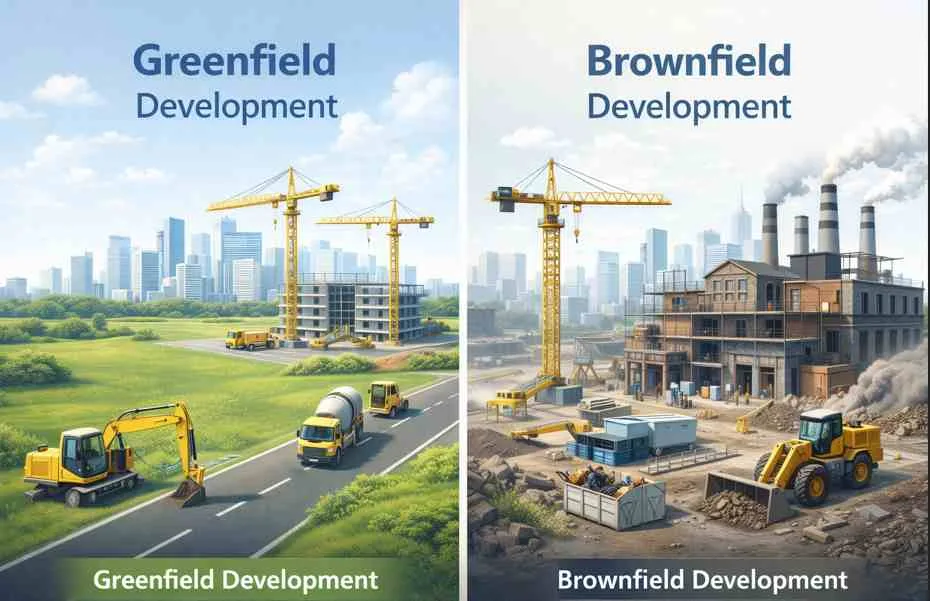


A greenfield project or investment usually involves creating a brand new operation, facility, or site where little or no prior structure exists. A brownfield project or investment usually involves acquiring, renovating, expanding, or repurposing an existing site, facility, or business. Greenfield offers more control and customization, while brownfield usually offers faster entry and lower initial development time.
The reason this matters is practical. The choice between greenfield and brownfield affects cost, speed, risk, flexibility, regulation, and long term strategy. In some cases, greenfield is clearly better. In others, brownfield is the smarter move. The best option depends on what you are trying to build and how quickly you need to get there.
What Greenfield Means
Greenfield usually means starting fresh. In the foreign direct investment context, the OECD says greenfield investments are those where a firm sets up or expands business operations abroad. In simple language, that means the investor is creating a new operation rather than buying an existing one.
Outside FDI, the same basic idea still applies. A greenfield factory is a new factory built from the ground up. A greenfield infrastructure project is a new road, plant, or facility created where the asset did not previously exist. A greenfield real estate development is a new build on undeveloped land.
The word itself helps explain the concept. It suggests an open field with no prior built environment in the way. That is not always literally true, but the core idea is that you are not inheriting an old operating asset. You are creating the main structure yourself.
What Brownfield Means
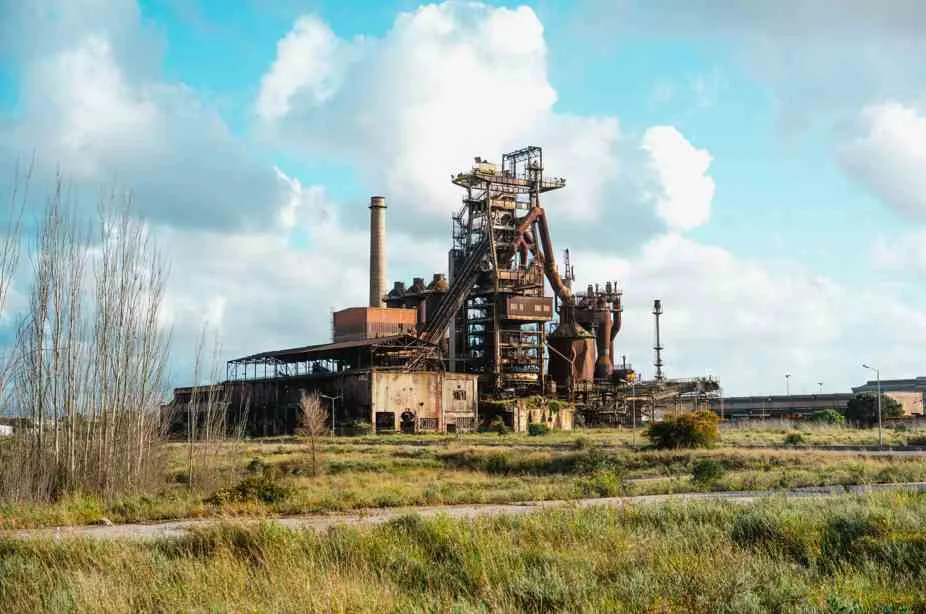
Brownfield usually means working with something that already exists. In the FDI context, the OECD says brownfield investments are those where a firm acquires a significant ownership share of an existing firm abroad. That definition highlights the idea of entering through an existing operation instead of building a new one from zero.
In project development, brownfield often means renovating, expanding, upgrading, or repurposing existing assets or sites. UNCTAD’s PPP explanation says brownfield investments concern the upgrade or management of existing assets, while greenfield investments concern the provision of new assets. That makes the distinction very clear.
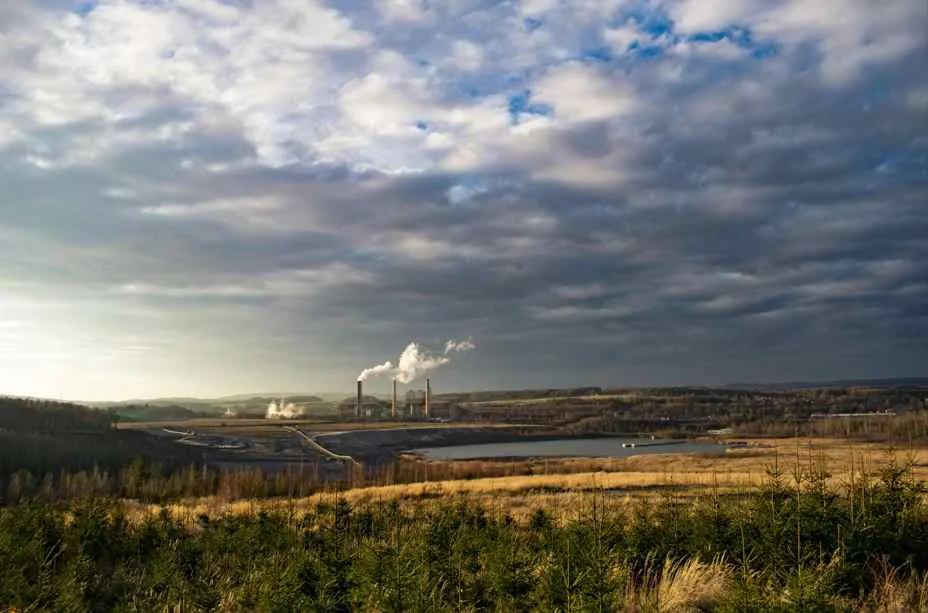
In some industries, brownfield can also refer to a site that has prior industrial use and may carry legacy issues such as outdated infrastructure or environmental cleanup needs. Investopedia notes that brownfield projects can involve risks linked to contamination or prior use, even though they may save time compared with building from scratch.
The Core Difference Between Greenfield and Brownfield
The easiest way to understand the difference is this. Greenfield gives you a blank canvas. Brownfield gives you an existing foundation. That one contrast explains most of the tradeoff.
Greenfield usually gives more freedom over design, technology, layout, and long term operational planning. Brownfield usually gives more speed, easier market entry, and less construction from zero. One prioritizes control. The other often prioritizes time and existing access.
So the right question is not which one is universally better. The better question is whether your priority is customization and long term design freedom or speed and reuse of what already exists.
| Feature | Greenfield | Brownfield |
|---|---|---|
| Starting point | New build or new operation | Existing site, business, or facility |
| Speed to market | Usually slower | Usually faster |
| Design flexibility | Higher | Lower to moderate |
| Legacy issues | Usually fewer | Often more |
| Initial infrastructure advantage | Usually none | Often yes |
Greenfield Advantages
The biggest greenfield advantage is control. When you build a project from scratch, you can choose the layout, equipment, technology, workflow, compliance design, and long term operating structure without being trapped by old decisions. This is often a major advantage in manufacturing, logistics, energy, and infrastructure.
Greenfield projects can also make it easier to match a facility to current standards instead of retrofitting old structures. That matters when technology is changing fast or when a company wants a highly optimized site from day one. You are not working around an old building that was designed for a different era.
Another advantage is strategic clarity. A greenfield move often reflects a long term commitment. It can allow deeper integration with local supply chains, tailored production methods, and a stronger operational identity in the target market.
Greenfield Disadvantages
The biggest greenfield disadvantage is time. Building something new takes planning, land work, permitting, construction, staffing, and operational setup. That means more delay before the project starts generating results.
Greenfield projects also often require higher upfront capital spending. You are paying for land, infrastructure, buildings, systems, and launch costs instead of buying an already functioning platform. That makes the financial commitment heavier, especially when uncertainty is still high.
There is also execution risk. The more you build from zero, the more can go wrong. Delays, permit issues, contractor problems, and local political or regulatory complications can all become bigger when the project is greenfield.
Brownfield Advantages
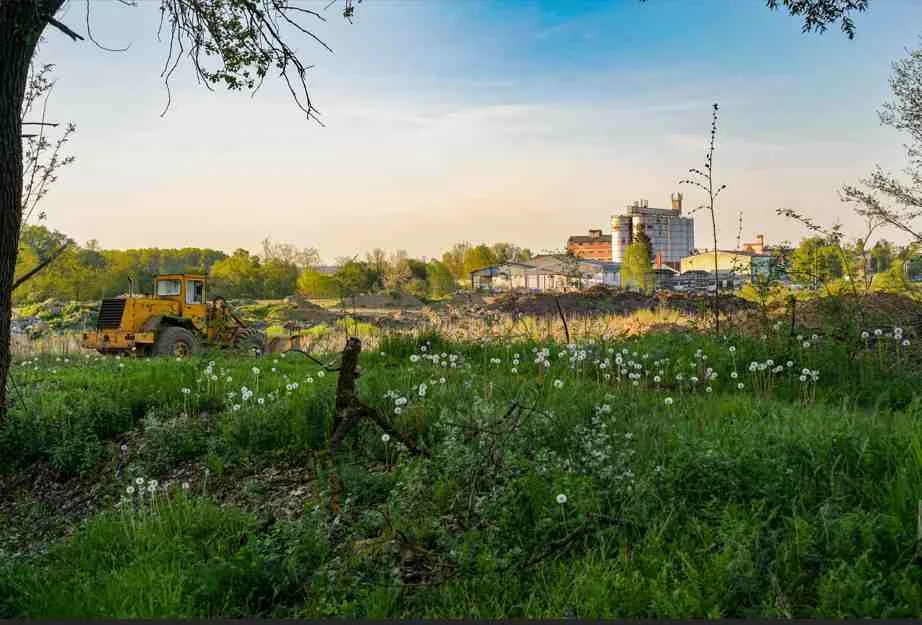
The biggest brownfield advantage is speed. Because an existing site, company, or facility is already in place, investors or developers can often move faster than they could with a greenfield project. Infrastructure, permits, workforce access, distribution links, and customer relationships may already exist in some form.
Brownfield projects can also reduce some startup costs. You may not need to build every component from the ground up. In FDI, acquiring an existing company can provide instant local presence, faster market entry, and an operating base that would take much longer to build independently.
There can also be practical location benefits. Many brownfield sites sit in established industrial zones, urban corridors, or strategic logistics locations where undeveloped land is harder to find or more expensive. That makes brownfield especially attractive in mature markets.
Brownfield Disadvantages
The biggest brownfield disadvantage is legacy baggage. Existing sites and businesses come with history, and not all of that history is helpful. The physical layout may be inefficient. Equipment may be outdated. Environmental cleanup may be needed. Organizational culture may be hard to change.
Brownfield investments can also limit design freedom. When you are adapting what already exists, you are making compromises. Sometimes those compromises are worth it. Sometimes they quietly create extra cost over time because the asset never fully fits your ideal operating model.
Another issue is hidden complexity. Existing sites may look cheaper at first, but redevelopment, compliance updates, and integration work can become more expensive than expected. That is why brownfield can be faster, but not always simpler.
Greenfield vs Brownfield in FDI
In foreign direct investment, the distinction is especially important. OECD says greenfield FDI happens when a parent company initiates a new operation abroad, while brownfield FDI involves acquiring a significant ownership share of an existing foreign firm. That means the greenfield move builds new capacity, while the brownfield move enters through existing capacity.
This matters for policy too. Governments often like greenfield FDI because it may create new jobs, new facilities, and fresh capacity. Brownfield FDI may still bring value, but it can be seen more as ownership transfer plus upgrade rather than brand new economic creation. Of course, the real effect depends on what the investor actually does after the deal.
For investors, the choice often comes down to whether they want speed and local access now or more control and custom design over the long run.
Greenfield vs Brownfield in Infrastructure and PPPs
In infrastructure and public private partnerships, the distinction is also very useful. UNCTAD explains that PPPs can involve new assets, which are greenfield, or the upgrade and management of existing assets, which are brownfield. This makes the terms practical, not just theoretical.
A greenfield power plant, airport, or highway means a new asset is being created. A brownfield toll road or airport concession may mean an existing facility is being modernized, expanded, or managed under a new arrangement. The project risk profile changes a lot depending on which side you are on.
In general, greenfield infrastructure involves more construction risk, while brownfield infrastructure often involves more operational and legacy asset risk. Neither is automatically easier. The risk just shows up in different places.
| Use case | Greenfield example | Brownfield example |
|---|---|---|
| FDI | Building a new foreign factory | Buying an existing local firm |
| Real estate | New development on undeveloped land | Redeveloping an old industrial site |
| Infrastructure | Constructing a new airport terminal | Upgrading and operating an existing terminal |
| Energy | New solar farm from scratch | Retrofitting an existing plant or site |
Which Is Better, Greenfield or Brownfield
Neither is universally better. The right answer depends on the objective. If your priority is full control, modern design, long term efficiency, and custom build quality, greenfield may be better. If your priority is speed, quicker market entry, and use of existing assets, brownfield may be better.
In practice, the decision often depends on capital budget, project timeline, regulatory conditions, market urgency, and how much legacy complexity you are willing to manage. Some companies even use hybrid approaches, such as buying an existing platform and then adding greenfield expansion around it.
So the smarter question is usually not which one is better in general. It is which one fits the business case, the location, and the risk profile better right now.
Common Mistakes People Make
One common mistake is assuming brownfield always means contaminated land. In some industries, especially environmental and redevelopment discussions, that can be true. But in business and FDI contexts, brownfield more broadly refers to working with an existing facility or firm.
Another mistake is assuming greenfield always means open farmland or untouched rural land. In investment and project language, greenfield mainly means a new operation or asset, not necessarily a literal grassy field.
A third mistake is thinking brownfield is always cheaper. It can be cheaper at the start, but hidden remediation, integration, retrofit, or legacy asset problems can make it expensive later. That is why due diligence matters so much.
Simple Working Definition to Remember
If you want one simple way to remember the difference, use this. Greenfield means build new. Brownfield means work with what already exists. That one line is not the whole story, but it captures the core idea very well.
Once you remember that, the rest becomes easier. Then you can ask the more useful questions about cost, speed, flexibility, and risk in the specific context you care about.
Conclusion
Greenfield vs brownfield comes down to whether you are creating something new or building on something already there. Greenfield usually means a brand new facility, operation, or asset built from scratch. Brownfield usually means acquiring, redeveloping, upgrading, or operating an existing one. Greenfield gives more freedom and control, while brownfield often gives more speed and easier entry.
The best choice depends on what you value most. If you want long term design flexibility, greenfield may be the stronger path. If you want faster access, lower initial setup time, and use of existing infrastructure, brownfield may be the smarter move. Once you frame the decision that way, the terms become much easier to use correctly.