



Professional forex trading framework guidelines help traders create a structured plan for buying and selling currencies in the global forex market. These guidelines focus on strategy, risk control, discipline, and decision making.
In simple terms, professional forex trading framework guidelines are a set of rules that traders follow to trade consistently and reduce emotional mistakes. When traders follow a clear framework they improve decision quality and protect their trading capital.
Introduction to Professional Forex Trading Framework Guidelines
Many new traders enter the forex market hoping to make fast money. However they soon realize that trading without a plan leads to losses and frustration. The forex market moves quickly and emotional decisions often cause mistakes.
Professional traders approach the market differently. They follow a clear system built on strategy, analysis, and risk management. This system is often called a trading framework.
Professional forex trading framework guidelines provide the structure that helps traders stay consistent. Instead of guessing trades they follow rules that guide every decision.
What Is a Forex Trading Framework
A forex trading framework is a structured approach used by professional traders to analyze markets and execute trades. It combines strategy, analysis, risk control, and psychology into one organized system.
Think of it as a roadmap for trading decisions. Without a roadmap traders may become lost in market noise and emotional reactions.
When traders follow professional forex trading framework guidelines they focus on process instead of random trades. This approach increases long term consistency.
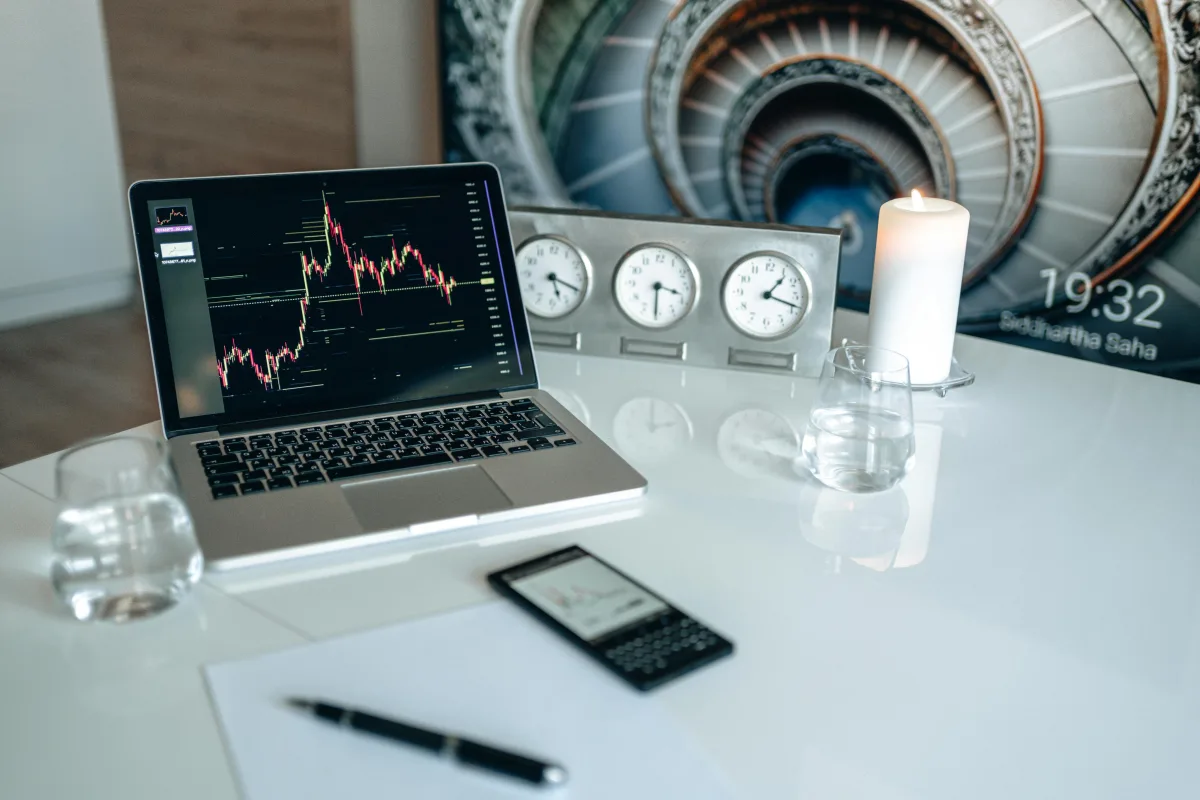
Core Components of Professional Forex Trading Framework Guidelines
A strong trading framework usually contains several important components. Each part plays a specific role in improving trading performance.
| Framework Component | Purpose |
|---|---|
| Market analysis | Identify trends and trading opportunities |
| Trading strategy | Define entry and exit rules |
| Risk management | Protect trading capital |
| Trading psychology | Control emotions and discipline |
| Performance review | Improve strategy through evaluation |
Each component works together to form a complete professional trading system.
Market Analysis in a Professional Forex Framework
Market analysis forms the foundation of every trading decision. Professional traders study price movement before entering trades.
Technical Analysis
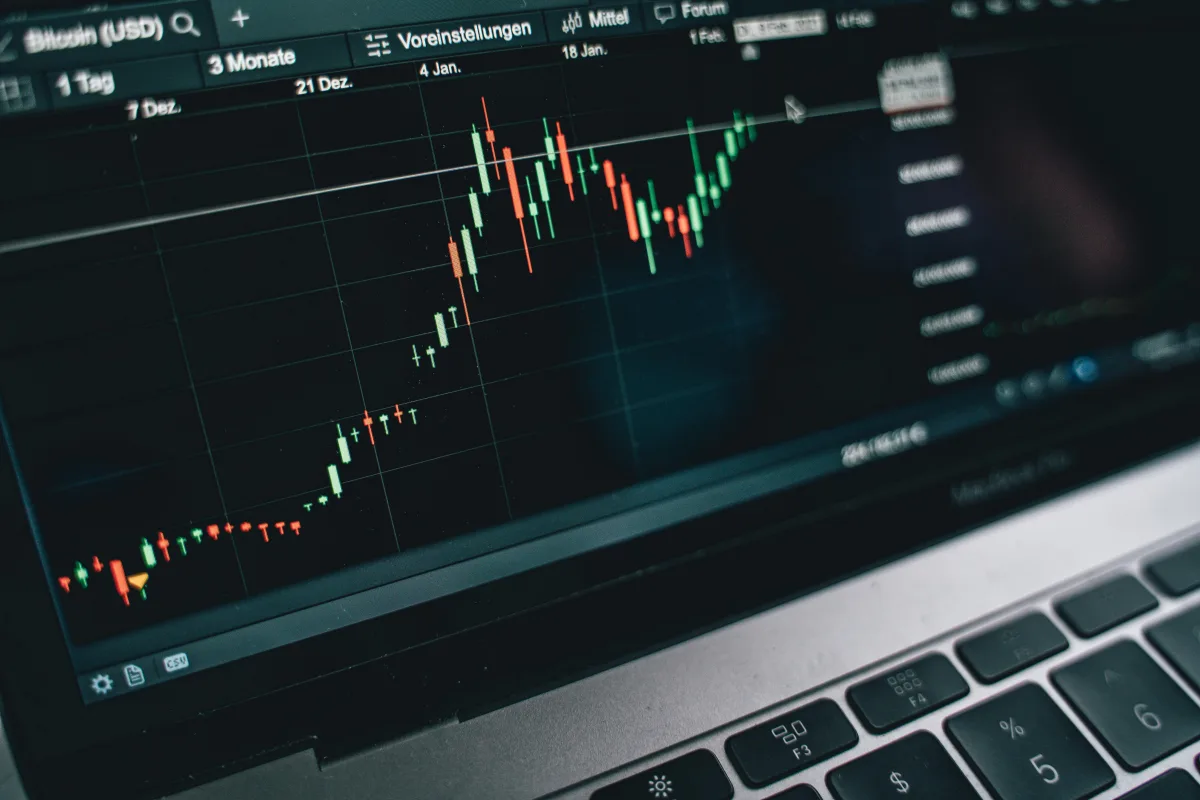
Technical analysis studies price charts and indicators to identify patterns. Traders analyze support levels, resistance zones, and trend directions.
For example moving averages and price action patterns help traders understand market momentum.
Fundamental Analysis
Fundamental analysis focuses on economic events that influence currency values. Interest rates, inflation data, and employment reports can affect currency prices.
Traders often follow financial news and economic calendars to anticipate market volatility.
More information about global currency markets can be found on Investopedia Forex Guide.
Risk Management in Professional Forex Trading
Risk management is one of the most important elements of successful trading. Even profitable traders experience losses, however good risk control protects capital.
Professional traders often risk only a small percentage of their account on each trade.
- Use stop loss orders to limit losses
- Risk only one or two percent per trade
- Avoid overleveraging positions
- Diversify trading opportunities
Risk control allows traders to survive losing streaks and continue trading long term.
Trading Psychology and Discipline
Psychology plays a major role in trading success. Many traders lose money because emotions control their decisions.
Fear may cause traders to exit trades too early. Greed may push traders to risk too much capital.
Professional forex trading framework guidelines emphasize discipline. Traders follow their system even during losing periods.
Maintaining emotional control helps traders remain objective and focused on long term results.

Performance Tracking and Trade Journaling
Professional traders carefully track their performance. They review past trades to identify strengths and weaknesses.
A trading journal records entry reasons, exit decisions, and emotional reactions during trades.
Over time this information helps traders refine their strategy and improve decision making.
Many experienced traders recommend keeping detailed records to accelerate learning.
Technology and Trading Tools
Modern traders rely on technology to analyze markets efficiently. Trading platforms provide charting tools and execution features.
Common trading tools include chart indicators, economic calendars, and market scanners.
Forex market statistics and insights can also be explored through Bank for International Settlements reports.
Common Mistakes in Forex Trading Frameworks
Even experienced traders sometimes make mistakes. Understanding common errors helps traders avoid unnecessary losses.
Lack of Trading Plan
Some traders enter the market without a clear strategy. Without a structured plan they rely on guesses instead of analysis.
Ignoring Risk Management
Risk control protects trading capital. Traders who ignore risk management may lose their entire account quickly.
Overtrading
Opening too many trades often leads to poor decision making. Professional traders focus on quality opportunities instead of constant trading.
Building Your Own Professional Forex Trading Framework
Every trader eventually develops a personal trading framework. However beginners should start with simple rules and gradually improve their system.
Start by selecting a trading style that fits your schedule. Some traders prefer day trading while others choose swing trading.
Then test strategies using demo accounts before risking real money. This process helps build confidence and experience.
Conclusion
Professional forex trading framework guidelines provide a structured path for trading success. They combine analysis, strategy, risk management, and psychology into a consistent process.
Traders who follow a disciplined framework often make better decisions and reduce emotional mistakes. Instead of chasing random opportunities they focus on proven methods.
If you want to succeed in forex trading begin building your own professional framework today. Practice consistently, review your results, and continue learning from the market.