
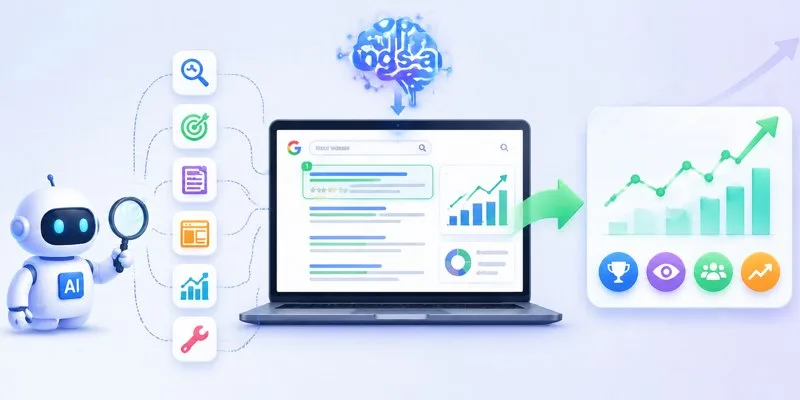
AI search optimization tools improve SERP rankings by helping you find better keywords, uncover search intent, spot content gaps, strengthen on page structure, monitor AI visibility, and fix weak pages faster. They do not raise rankings on their own, but they help teams make smarter SEO decisions that can improve organic performance over time.
That difference matters a lot. These tools are not magic ranking buttons. Instead, they work like better eyes and better maps. They show what users want, where competitors are stronger, and what your content needs if you want a better chance of ranking.
What AI Search Optimization Tools Actually Do
AI search optimization tools are built to help marketers, writers, and SEO teams understand search opportunities faster. Some focus on classic SEO tasks like keywords, content planning, and page improvements. Others also track AI search visibility across tools like Google AI Overviews, ChatGPT, and Perplexity.
Google’s Search guidance still centers on helpful, reliable, people first content, even as AI features expand in Search. That means the goal of these tools is not to trick Google. The real goal is to help you create stronger pages that are easier for search systems to understand and easier for users to trust. Google helpful content guidance. Google AI features and your website.
In simple terms, the tools help you make fewer guesses. Instead of publishing content and hoping it works, you can see what topics matter, what questions users ask, and where your page may be too weak to compete well.
They Improve Keyword Research and Search Intent Matching
One of the biggest ways these tools help SERP rankings is by improving keyword targeting. Many pages fail because they aim at the wrong phrase, the wrong stage of the buyer journey, or the wrong search intent. AI tools can group related keywords, suggest semantically linked topics, and surface questions people actually ask.
That matters because a page ranks better when it truly matches what searchers want. If a user wants a comparison, a simple definition page may struggle. If a user wants a how to guide, a thin product page may not satisfy them. Stronger intent matching often leads to better relevance, and better relevance improves ranking potential.
Google itself advises creators to use words people would use to look for content and place them in prominent locations like titles, headings, alt text, and descriptive areas. AI powered research tools can speed up that work by showing the language patterns real searchers use. Google Search Essentials.
If you like beginner friendly explainers about modern AI systems, what are AI agents, a simple guide for non tech people is a natural internal read. It fits well because both topics help readers understand how AI changes digital workflows.
They Help You Build Better Content Faster
AI search optimization tools often shine most during content planning and improvement. They can show missing subtopics, common follow up questions, entity relationships, and competitor gaps that a writer may miss when working alone. That can lead to fuller, more useful pages that answer the topic more completely.
This does not mean AI written content ranks just because it exists. Google has been clear that what matters is the quality of the content, not whether AI helped create it. If the final page is helpful, reliable, and created for people, it can perform well. If it is thin, repetitive, or made only to manipulate rankings, it is much less likely to succeed. Google guidance on AI generated content.
So the real win is not speed alone. The win is getting to stronger content with less wasted time. Good tools help teams move from blank page to useful structure faster, while still leaving room for judgment, expertise, and human editing.
They Reveal Content Gaps and Weak Competitor Positions
Another reason these tools can improve rankings is that they show where opportunities already exist. A tool may reveal that competitors rank without answering common questions well, or that they are missing newer angles users care about. That gives you a chance to create something more complete or easier to understand.
Some tools also show where your own content is weak. Maybe one page ranks on page two with poor title targeting. Maybe another page gets impressions but weak clicks because the snippet does not look compelling. These are the kinds of small but powerful issues that can limit rankings without being obvious at first glance.
When a team sees those gaps early, they can improve pages before the opportunity fades. That is one reason AI powered optimization feels helpful. It brings weak spots into view faster than manual checking alone.
They Make Content Refreshing More Strategic
Not every ranking improvement comes from publishing new pages. Often the better move is updating old ones. AI tools can help identify which pages are close to ranking well, which ones lost momentum, and which ones need better depth, cleaner structure, or fresher examples.
This makes refreshing more strategic and less random. Instead of editing pages blindly, you can focus on the ones with the clearest upside. Over time, that kind of prioritization can improve both rankings and content efficiency.
If you are also thinking about broader digital workflow improvements, professional digital solutions is another natural internal read. Better SEO results often come from better systems, not only better writing.
They Improve On Page SEO and Internal Structure
AI search optimization tools also help with on page SEO. They can suggest clearer headings, stronger topical coverage, better meta structure, cleaner keyword use, and more logical internal linking. These improvements help search engines understand the page more clearly and help users navigate it more easily.
Google’s SEO starter guidance says SEO is about helping search engines understand content and helping users decide whether they should visit the page. That is exactly where on page optimization tools can help. They do not force rankings, but they reduce confusion and strengthen clarity. Google SEO Starter Guide.
Internal linking is especially important here. A good tool can surface pages that should connect but do not. Better internal links can spread relevance, support crawling, and help Google see how your content fits together as a larger topic cluster.
They Support AI Visibility, Which Can Strengthen SERP Performance Indirectly
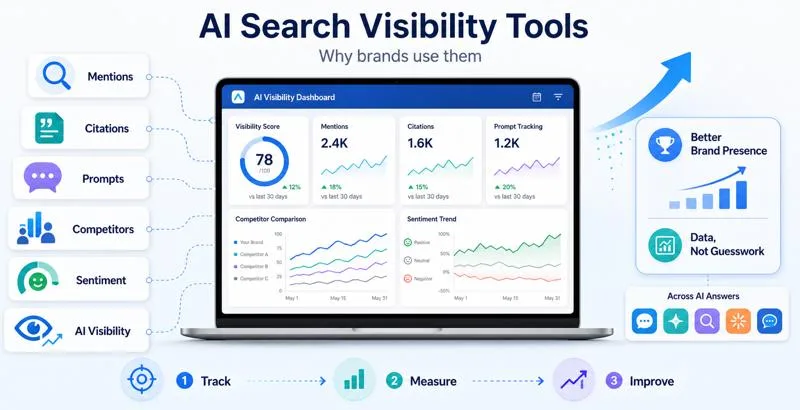
Some newer tools do more than classic SEO. They monitor how brands appear inside AI answers, especially in Google AI Overviews and other AI search platforms. This does not always improve blue link rankings directly, but it can reveal how your brand, pages, and content are being surfaced in the new search layer.
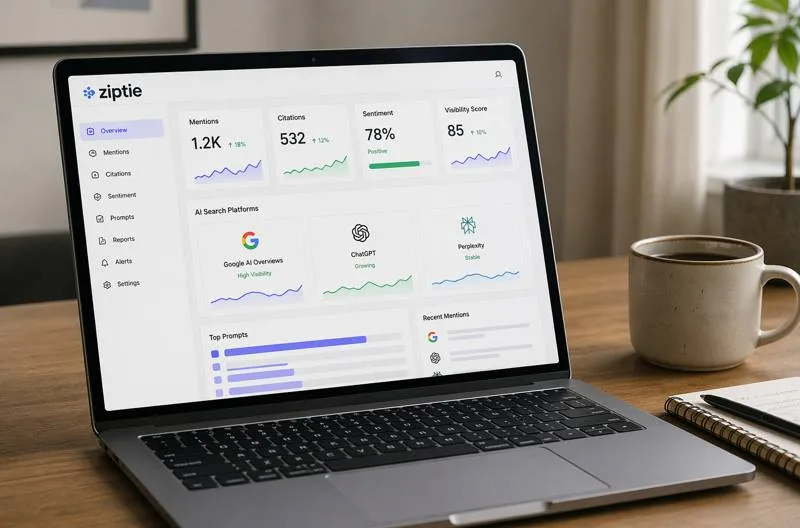
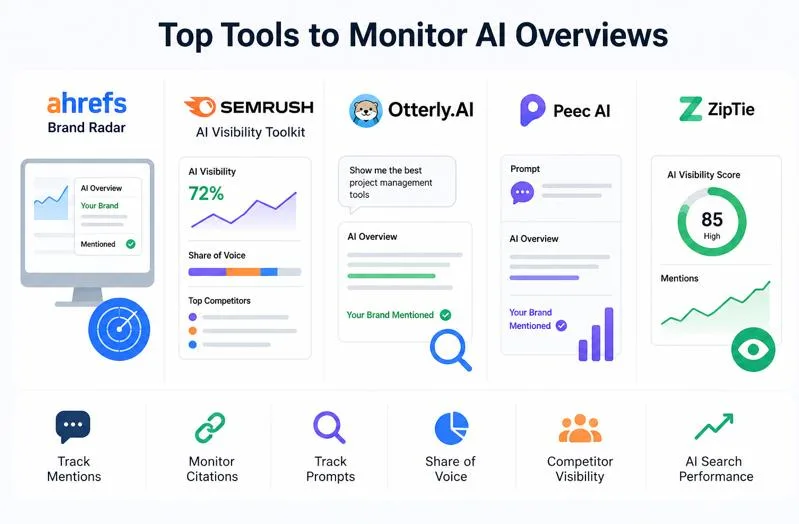
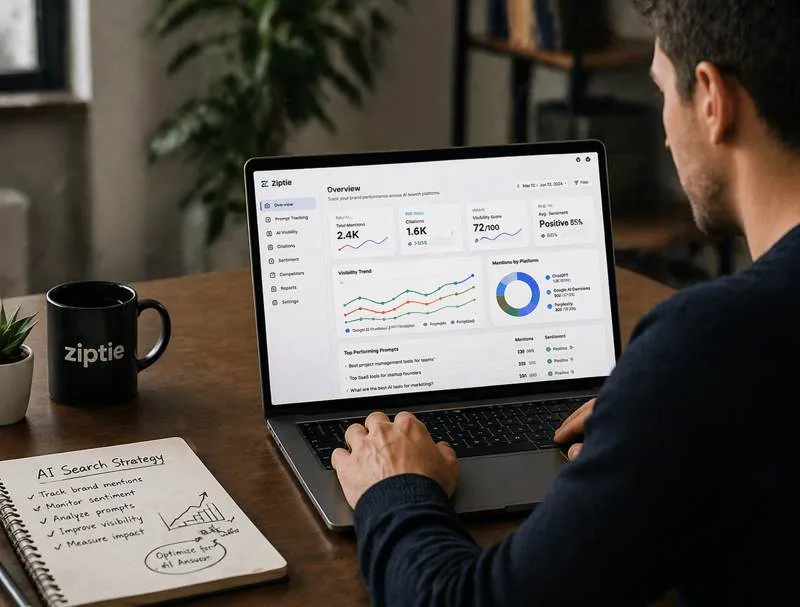
For example, Semrush says its AI Visibility Toolkit helps marketers monitor how brands appear in AI generated answers, while Ahrefs Brand Radar positions itself around AI mentions and sales driving prompt tracking. ZipTie says it tracks AI visibility across Google AI Overviews, ChatGPT, and Perplexity, including citations and sentiment. Those signals can show where your brand is strong, where it is invisible, and which queries deserve attention first. Ahrefs Brand Radar. ZipTie official site.
That matters because AI visibility and traditional search now influence each other more than before. If a tool helps you improve topic coverage, source quality, and authority signals for AI answers, those same improvements can often support normal search performance too.
They Help Teams Focus on What Matters Most
One hidden benefit of these tools is prioritization. Most sites have too many pages, too many keywords, and too many possible fixes. AI optimization tools can narrow that down by showing which pages are nearest to ranking gains, which prompts have business value, and which topics deserve immediate work.
That is powerful because SEO teams usually do not fail from lack of ideas. They fail from weak focus. A useful tool turns a huge messy list of possibilities into a smaller list of actions that matter more.
If you are comparing AI driven work tools more broadly, best 5 AI business tools in 2026 for productivity and growth fits naturally here. Many teams exploring AI SEO are also rethinking their wider tool stack.
What These Tools Cannot Do
It is just as important to understand the limit. AI search optimization tools do not guarantee rankings. They cannot replace expertise, original thinking, strong products, or content that genuinely helps people. If the page is weak, no dashboard can rescue it on its own.
They also cannot replace Search Console, which Google describes as a way for site owners to understand how they perform on Google Search and what they can do to improve appearance in search. Search Console remains one of the most important sources for clicks, impressions, CTR, and average position. AI tools should support that workflow, not replace it. Google Search Console getting started.
So the right mindset is simple. Use these tools for insight, prioritization, and faster execution. Then use real SEO judgment to decide what should change and how much it matters.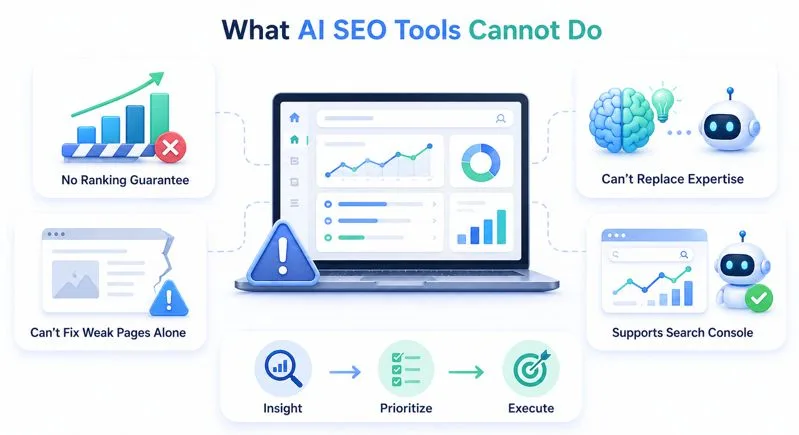
Common Mistakes People Make
The first mistake is expecting instant ranking jumps. SEO usually moves through testing, improvement, and time. A tool may help you find the right fix faster, but search engines still need to crawl, understand, and evaluate the updated content.
The second mistake is letting the tool replace thinking. Suggestions are useful, but they should not make every page sound the same. If every article becomes formulaic, the content may lose the originality and usefulness that help pages stand out.
The third mistake is treating AI visibility as separate from classic SEO. In reality, the strongest results often come when teams combine Search Console data, helpful content improvements, technical SEO basics, and AI visibility tracking into one steady workflow.
Conclusion
AI search optimization tools improve SERP rankings by improving the work behind the rankings. They help teams target better keywords, match search intent more closely, fill content gaps, strengthen page structure, prioritize the right updates, and understand how brands appear in AI driven search experiences.
The most important thing to remember is this, the tool is not the ranking factor. The better decisions it helps you make are what can improve performance. Use the data, improve the content, track the results, and keep refining. That is where rankings usually start to move in the right direction.