



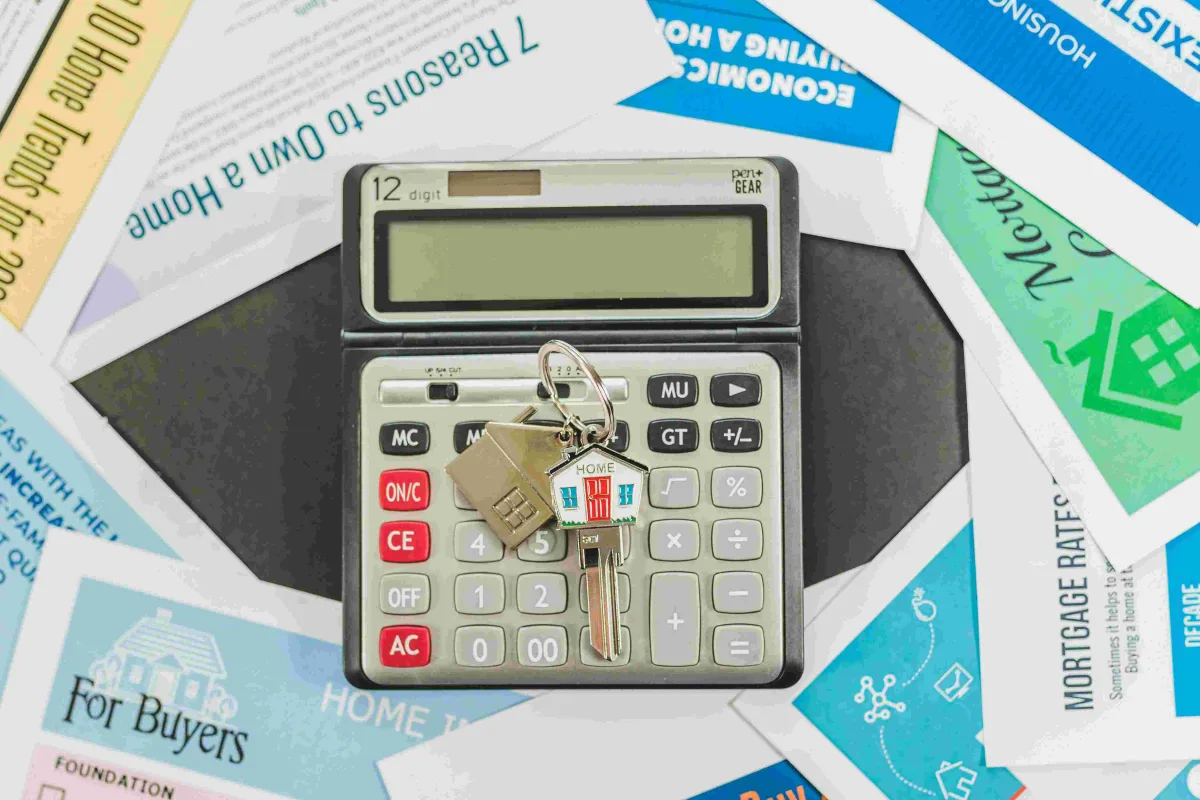

Mortgage rates tariffs refer to how government policies like tariffs can influence interest rates, home loan costs, and overall housing affordability. In simple terms, when tariffs increase costs in the economy, mortgage rates can rise, making home loans more expensive.
If you are planning to buy a home or refinance, understanding mortgage rates tariffs can save you a lot of money. These hidden factors often affect your monthly payments more than you think.
Introduction
Buying a home is one of the biggest decisions you will ever make. But many people only focus on the house price and ignore what truly controls the cost, which is the mortgage rate.
Here is where mortgage rates tariffs come into play. You may not see them directly, but they quietly influence your loan cost. Therefore, if you understand how they work, you can make smarter financial decisions.
This guide will break everything down in a simple way. You will learn how tariffs affect mortgage rates, why it matters, and how you can protect yourself.
What Are Mortgage Rates Tariffs?
Mortgage rates tariffs describe the connection between trade policies and home loan interest rates. Tariffs are taxes on imported goods. When these taxes increase, the cost of materials and products goes up.
As a result, inflation often rises. And when inflation goes up, lenders increase mortgage rates to protect their profits. Therefore, your home loan becomes more expensive.
In simple words, tariffs can indirectly raise your monthly mortgage payment. This is why global economics can affect your personal finances.
How Tariffs Influence Mortgage Rates?
1. Increased Construction Costs
Tariffs on materials like steel, wood, and electronics make building homes more expensive. Developers pass these costs to buyers.
As home prices increase, buyers need larger loans. Therefore, lenders adjust mortgage rates to balance the risk.
2. Inflation Pressure
Tariffs often lead to inflation because goods become more expensive. When inflation rises, central banks may increase interest rates.
This directly impacts mortgage rates. Higher inflation usually means higher mortgage costs.
3. Economic Uncertainty
Trade wars and tariff changes create uncertainty in the market. Investors become cautious and shift their money.
This can push bond yields higher or lower, which directly affects mortgage rates. Therefore, even news about tariffs can move loan rates.
Why Mortgage Rates Matter More Than You Think?
Many people think a small change in mortgage rate does not matter. However, even a 1 percent increase can cost thousands over time.
For example, if you are planning to refinance, timing matters a lot. You can learn more about the best time to refinance to understand how interest rates impact loans.
Similarly, mortgage loans work in the same way. A better rate means lower monthly payments and less total interest.
Real Example of Mortgage Rate Impact
Let’s look at a simple example. This will help you understand how tariffs can indirectly affect your finances.
| Loan Amount | Interest Rate | Monthly Payment | Total Interest |
|---|---|---|---|
| $200,000 | 4% | $955 | $143,739 |
| $200,000 | 6% | $1,199 | $231,676 |
As you can see, a higher rate increases both monthly payments and total interest. Therefore, even small changes caused by tariffs can have a big impact.
Connection Between Mortgage Rates and Credit Profile
Your personal credit also plays a big role in your mortgage rate. Even if tariffs push rates higher, a strong credit score can help you get a better deal.
You can check related insights like what FICO means to understand how lenders evaluate your credit.
In addition, if you plan to finance any asset, understanding credit requirements is important. For example, this guide on credit score needed to lease a car shows how scores affect loan terms.
How Global Policies Affect Local Mortgage Rates?
Mortgage rates are not only controlled by local banks. Global trade policies also play a major role.
For example, trade policies explained in foreign trade policy meaning show how tariffs impact the economy.
When international trade becomes expensive, inflation rises. Therefore, mortgage rates increase as a response.
Tips to Manage Mortgage Costs During Tariff Changes
1. Lock Your Rate Early
If you expect rates to rise, locking your mortgage rate early can save money. This protects you from sudden changes.
2. Improve Your Credit Score
A better credit score helps you qualify for lower rates. Therefore, always check your credit before applying.
3. Compare Multiple Lenders
Different lenders offer different rates. Comparing options can help you find the best deal.
4. Consider Refinancing Later
If rates drop in the future, refinancing can reduce your costs. You can also explore refinance strategies to understand the process better.
Common Mistakes People Make
Many buyers ignore external factors like tariffs. They only focus on current rates without understanding why they change.
Another mistake is not checking economic trends. For example, ignoring inflation or trade policies can lead to poor timing.
In addition, some people choose the lowest monthly payment without checking total interest. This can cost more in the long run.
External Resource for Better Understanding
If you want to explore more about how interest rates work, you can visit Investopedia mortgage rates guide. It explains how rates are calculated and what factors influence them.
Conclusion
Mortgage rates tariffs may seem like a complex topic, but the idea is simple. Tariffs increase costs in the economy, which can raise inflation and push mortgage rates higher.
This means your home loan can become more expensive even if you did nothing wrong. Therefore, understanding these factors helps you plan better and avoid surprises.
If you are thinking about buying a home or refinancing, take time to study market trends. Compare rates, improve your credit, and make informed decisions. Your future self will thank you.