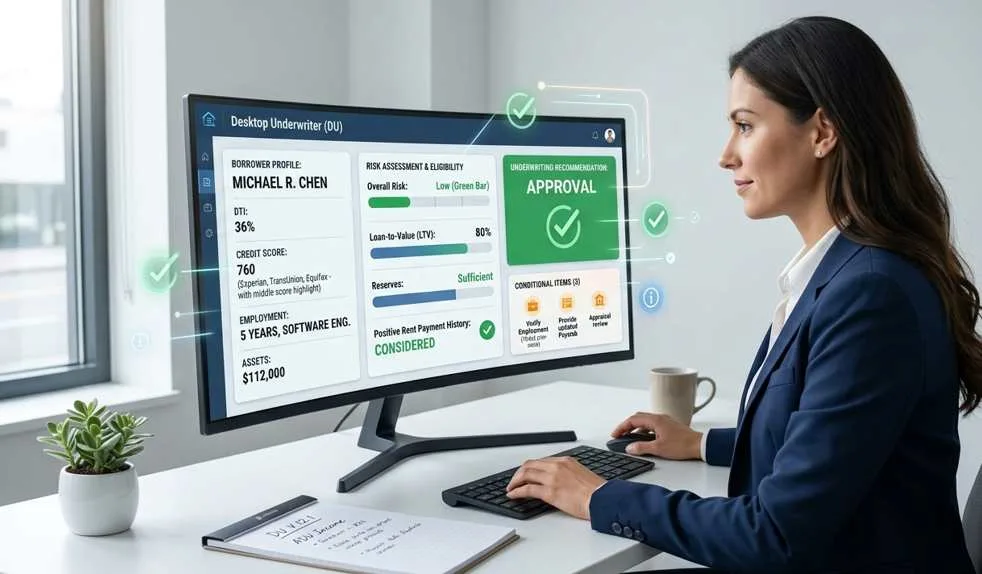





There is no official universal credit score required to lease a car. However, good credit usually gives you the best chance, and Experian says good credit starts at 670 on the standard FICO scale, while many lenders may prefer 700 or higher for stronger lease terms. Recent Experian data also notes that the average credit score for a new car lease was 751 in the first quarter of 2024.
That does not mean people below 700 can never lease. It means leasing companies often prefer lower risk borrowers, and stronger credit usually leads to easier approval, better offers, and less money due up front. So the real question is not just can you lease, but how expensive the lease will become with your current credit profile.
Is There a Minimum Credit Score to Lease a Car
There is no single industry wide minimum score that every leasing company must follow. Each lender and captive finance company can set its own approval standards. Experian says there is no standard credit score needed to lease a car, but approval is generally easier with good credit or better, and lenders may prefer scores of 700 or above. :
That is why you can hear two different people describe very different experiences. One person may get approved with a fair score and a large down payment, while another may be denied with a similar score because of debt, income, or thin credit history. Leasing decisions are not based on score alone.
Still, the broad market pattern is clear. Leasing tends to favor stronger borrowers more than many other forms of auto financing. That is one reason the average lease borrower often has a higher score than the average auto loan borrower.
What Credit Score Range Gives You the Best Chance
If you want the practical answer, a score in the high 600s to 700 plus range usually puts you in a much better position. Experian says good credit begins at 670, and it specifically notes that lenders may prefer 700 or above for leasing.
That does not mean a 660 score automatically fails or a 700 score automatically wins. It means the odds generally improve as your score rises. Stronger credit can help with lease approval, lower money factor costs, fewer conditions, and less pressure to bring extra cash at signing.
Experian also reported that the average credit score for a new car lease was 751 in the first quarter of 2024. That number is useful because it shows what the typical successful lease profile looks like in the real market, even though it is not a formal cutoff.
| Credit score range | General lease outlook | What to expect |
|---|---|---|
| 700 and above | Strong position | Better approval odds and stronger terms |
| 670 to 699 | Usually workable | Often eligible, but terms may vary by lender |
| 620 to 669 | Possible but harder | More scrutiny, higher cost, or larger upfront payment |
| Below 620 | Challenging | Approval may be difficult and terms may be less attractive |
Why Leasing Usually Requires Better Credit Than Buying
Leasing often demands stronger credit because the leasing company is taking a different kind of risk than a standard car loan lender. With a lease, you are paying for the vehicle’s depreciation and using the car for a limited time rather than paying toward full ownership. The leasing company still cares deeply about the vehicle’s future value and your ability to make payments on time.
Experian notes that people who lease tend to have better credit scores and that dealers rarely lease to drivers with lower credit scores. That helps explain why lease borrowers often look stronger on average than many loan borrowers.
In simple terms, leasing companies want lower risk customers because leases depend heavily on payment reliability, vehicle condition, and predictable residual value outcomes. A borrower with stronger credit usually looks safer across all three.
Can You Lease a Car With Bad Credit
Yes, sometimes you can, but it gets harder and more expensive. Experian says you stand a better chance of approval with good credit or better, and it also explains that if you cannot qualify for a lease, you may have better luck buying a used car instead.
Bad credit does not always mean automatic denial. Some lenders may still approve the lease if your income is strong, your debt level is reasonable, or you bring more money at signing. However, you should expect stricter terms, less negotiating power, and possibly fewer vehicle choices.
That is why many shoppers with weaker credit end up choosing a used car loan instead of a lease. Financing can sometimes be easier to obtain because the structure and lender risk are different.
What Else Leasing Companies Look At Besides Credit Score
Your score matters, but it is not the whole story. Leasing companies also look at your income, existing monthly debt, employment stability, payment history, credit utilization, and sometimes the size of your down payment or amount due at signing. A score is one signal, not the full picture.
For example, a person with a decent score but very high debt may still look risky. On the other hand, someone with a slightly lower score but strong income and clean recent payment history may appear more manageable. Lenders care about the full borrower profile because the lease is still a credit transaction.
This is also why shoppers sometimes get surprised. They focus only on the score, but the lender is judging the file as a whole. That includes your broader ability to handle the payment comfortably and consistently.

How Credit Affects Your Lease Payment
Your credit can affect a lease in several ways. It can influence whether you get approved, how much money you need upfront, and the lease cost structure itself. Stronger credit usually leads to better lease offers because the lender sees you as a lower risk customer.
While lease pricing is different from a standard loan interest rate, the same basic principle still applies. Better credit often means a lower cost of financing. Worse credit often means higher cost, tougher conditions, or both.
This is why two people can lease the same model and pay very different amounts. Negotiation matters, but credit quality matters too. Your monthly payment is not only about the car. It is also about how the lender prices your risk.
Is 700 a Good Credit Score for Leasing
Yes, in most cases 700 is a strong place to be if you want to lease a car. Experian says lenders may prefer 700 or above for leasing, which makes it a useful practical target for shoppers who want better approval odds and stronger lease terms.
That said, 700 is not a magic line. A 690 borrower with strong income may still do fine. A 710 borrower with heavy debt could still face questions. But as a planning benchmark, 700 is a helpful number because it usually places you in a more comfortable lease approval zone.
If your score is close to 700, even small improvements before applying may help your position. Lower credit card balances, corrected report errors, and a few months of clean payment history can matter more than people think.
Is 600 Good Enough to Lease a Car
Sometimes, but it is usually a tougher path. A score around 600 often falls into fair or weaker territory for leasing, and many prime lease offers may be out of reach. Approval can still happen, but it may require stronger compensating factors such as income, cash at signing, or choosing a less expensive vehicle.
At that level, you may also find that buying is easier than leasing. Experian specifically points out that if you cannot qualify for a lease, a used car purchase may be a more realistic path.
So 600 is not impossible, but it is not comfortable territory. If you are in that range, you should compare lease and loan options very carefully before assuming leasing is the better deal.
How to Improve Your Chances Before Applying
The first step is to check your credit report and score before shopping. TransUnion advises consumers to review their credit before applying for auto financing because stronger credit can help you qualify for better terms.
The second step is to reduce obvious risk factors. Paying down revolving debt, avoiding late payments, and fixing report errors can strengthen your profile. If you have time, even a few months of improvement can help.
The third step is to shop smart. The CFPB says shopping for the best auto financing deal generally has little to no impact on your credit scores when done properly in a rate shopping window, and the benefit of comparing offers usually outweighs the impact.
| Before you apply | Why it helps |
|---|---|
| Check your credit | Shows where you stand before the dealer does |
| Lower card balances | Can improve score and debt profile |
| Fix report errors | Prevents unfair damage to your application |
| Compare multiple offers | Helps you find better lease terms |
| Choose a realistic vehicle | Makes approval easier and lowers payment pressure |
Should You Lease or Buy if Your Credit Is Weaker
If your credit is weaker, buying may sometimes be the more practical option. The CFPB explains that leasing is like renting because your payments do not go toward ownership unless there is a purchase option later. That structure can be attractive for some drivers, but it is not always the easier approval path.
Experian also notes that if you cannot qualify for a lease, a used car purchase may be easier to obtain. That is because some lenders are more willing to finance a purchase than approve a lease for a riskier borrower.
So if your credit is not strong, do not assume leasing is automatically the cheaper or smarter move. Sometimes a modest used vehicle loan is the more realistic and financially stable choice.
Common Mistakes People Make When Leasing With Credit Concerns
One common mistake is focusing only on the monthly payment. A lower payment can hide expensive lease terms, bigger upfront costs, or a vehicle choice that does not really fit your budget. Credit issues often make this worse because shoppers get fixated on just getting approved.
Another mistake is not checking credit first. Walking into a dealership without knowing your score gives away negotiating power. The lender and dealer will know your profile quickly, and you should know it too before the conversation starts.
A third mistake is assuming one denial means nobody will approve you. Standards vary, and shopping carefully can matter. But it is still smart to stay realistic. If the market clearly views your profile as weak for leasing, buying may be the better route right now.
What Credit Score Do You Need to Lease a Car, Practical Answer
If you want the practical answer without all the noise, aim for at least good credit, which Experian says begins at 670. If you want a stronger and more comfortable leasing position, 700 plus is a smart target because lenders may prefer it. If your credit is much lower, leasing may still be possible, but it will usually be harder and more expensive.
The average new car lease borrower had a 751 credit score in Experian’s first quarter 2024 data. That does not mean you need 751 exactly. It means the average successful lease borrower tends to look stronger than many general auto finance shoppers.
So the cleanest way to think about it is this. Above 700 is strong. The high 600s are often workable. Around 600 is challenging. Below that, approval gets harder and buying may make more sense.
Conclusion
What credit score do you need to lease a car. There is no official universal number, but good credit usually gives you the best chance. A score of 670 or above is a useful starting point, and 700 or more often puts you in a stronger leasing position. The average new car lease borrower had a 751 score in Experian’s first quarter 2024 data, which shows how much leasing tends to favor stronger credit profiles.
The smartest next step is simple. Check your credit before shopping, compare offers, and stay realistic about whether leasing or buying fits your financial situation better. Stronger credit does not just help you get approved. It helps you lease from a position of control instead of pressure.