

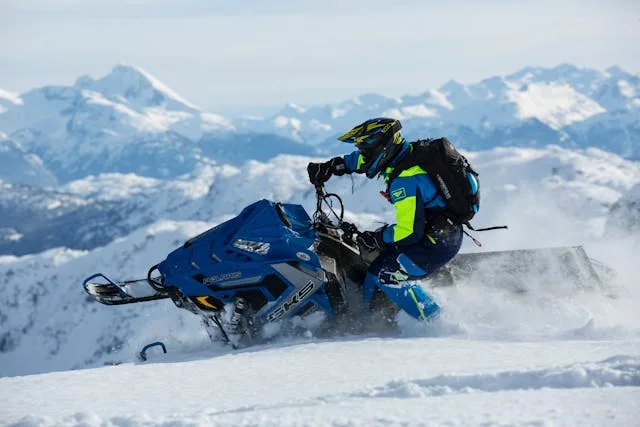
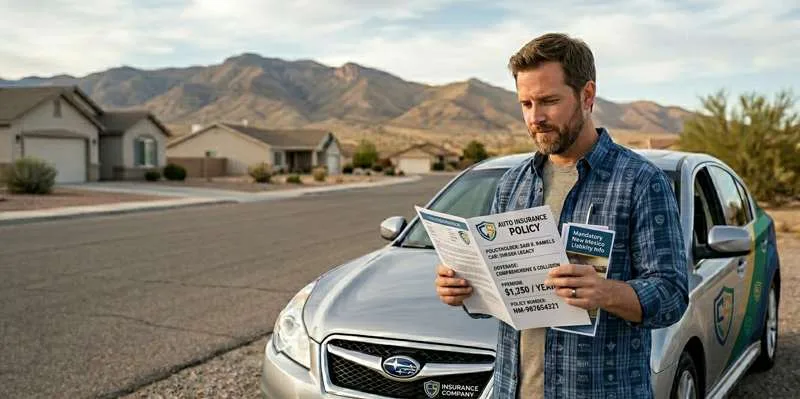

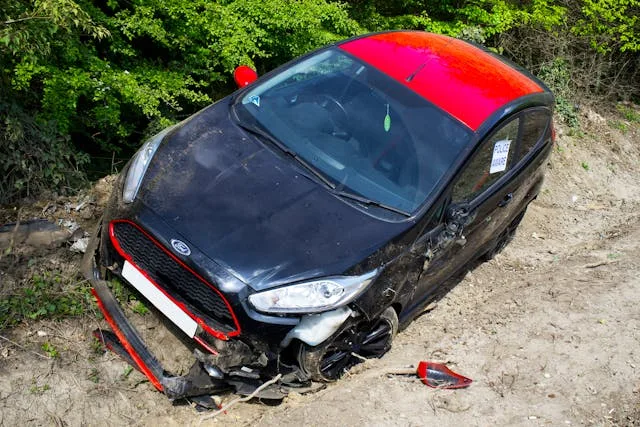
If you own a snowmobile, snowmobile insurance is one of the most important investments you can make for your winter adventure. Whether you're cruising groomed trails or blasting through backcountry powder, things can go wrong fast — and a single accident without the right coverage can cost you thousands of dollars.
So what exactly does snowmobile insurance cover, and do you really need it? The short answer: yes, you do. Snowmobile insurance protects you, your sled, and other people if an accident happens. It can cover everything from medical bills to repair costs to damage you cause to someone else's property.
In this guide, we'll break down every part of snowmobile insurance in plain, simple language. By the time you're done reading, you'll know exactly what type of policy you need, how much it should cost, and how to get the best deal.
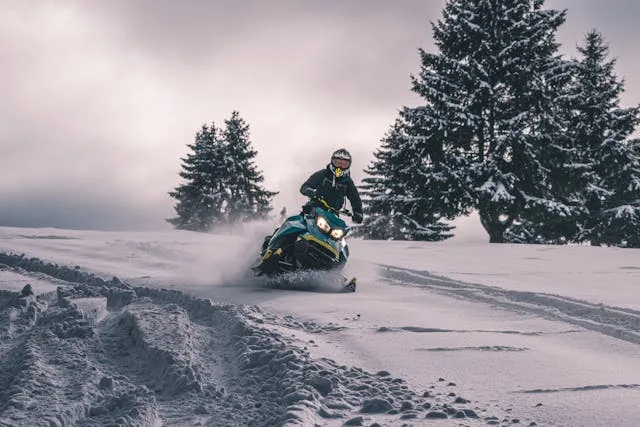
What Is Snowmobile Insurance?
Snowmobile insurance is a type of specialty vehicle insurance designed to protect you and your snowmobile. It works a lot like car insurance — but it's built specifically for the unique risks that come with riding on snow and ice.
Most standard homeowner's or auto insurance policies don't cover snowmobiles, especially when you're riding them off your property. That's why a dedicated snowmobile policy is so important. It fills in those gaps and makes sure you're fully protected no matter where you ride.
Quick Answer: Snowmobile insurance covers liability, damage to your sled, medical costs, and more. It protects you financially if you're involved in an accident, your snowmobile gets stolen, or you accidentally injure someone else on the trail.
Why Do You Need Snowmobile Insurance?
A lot of riders skip insurance thinking it's just an extra expense. But here's the reality: snowmobile accidents happen more often than you'd think. According to the International Snowmobile Manufacturers Association (ISMA), there are approximately 1.2 million registered snowmobiles in the United States alone.
That's a lot of machines on the trails — and with them come real risks. Collisions, rollovers, tree strikes, and trail crossing accidents are all common. Without insurance, any one of these incidents could leave you with massive out-of-pocket costs.
Beyond personal safety, many states and trail systems legally require you to carry at least liability coverage before you can register your snowmobile or ride on public trails.
Types of Snowmobile Insurance Coverage
Not all snowmobile insurance is the same. Depending on your riding style, where you live, and the value of your sled, you'll want to mix and match the right types of coverage. Here's a breakdown of what's available:
1. Liability Coverage
This is the most important and often legally required type of snowmobile insurance. Liability coverage pays for injuries or property damage you cause to other people. If you crash into another rider or hit a fence, liability coverage handles those costs.
It does not cover your own injuries or damage to your own snowmobile. Think of it as coverage for the harm you cause to others.
2. Collision Coverage
Collision coverage pays for damage to your snowmobile when it crashes into another object like a tree, a rock, or another sled. If you flip your snowmobile or hit something on the trail, collision coverage kicks in to help pay for repairs or replacement.
This is especially valuable if you ride aggressively or in terrain with obstacles. It's also typically required if your sled is financed.
3. Comprehensive Coverage
Comprehensive coverage protects your snowmobile from non-collision events. This includes fire, theft, vandalism, falling objects, and weather damage. If someone steals your sled out of your garage or a tree falls on it, comprehensive coverage helps pay for the loss.
Given how expensive modern sleds are many costing $10,000–$20,000+ this coverage is well worth the small extra premium.
4. Medical Payments Coverage
If you get hurt in an accident, medical payments coverage (also called MedPay) pays for your hospital bills and medical treatment regardless of who caused the accident. This is helpful if your health insurance has a high deductible or doesn't cover snowmobile-related injuries.
5. Uninsured/Underinsured Motorist Coverage
This type of coverage protects you if you're hit by another snowmobile rider who doesn't have insurance or doesn't have enough coverage to pay for all your damages. On shared trails, you're sharing space with many other riders, and not everyone carries proper insurance.
6. Towing and Roadside Assistance
Breaking down in the middle of nowhere is a real possibility when you're snowmobiling in remote areas. Towing coverage pays for emergency retrieval of your sled if it breaks down or gets stuck in the backcountry. This add-on is affordable and can save you a very expensive rescue bill.
Here's a quick overview to help you compare coverage options side by side:
| Coverage Type | What It Covers | Who Needs It |
|---|---|---|
| Liability | Bodily injury & property damage to others | All riders — often legally required |
| Collision | Damage to your sled from crashes | Financed or newer snowmobiles |
| Comprehensive | Theft, fire, weather, vandalism | Anyone parking outdoors or in storage |
| Medical Payments | Your medical bills after an accident | Riders without strong health coverage |
| Uninsured Motorist | Accidents with uninsured riders | Trail riders and group trip participants |
| Towing & Labor | Roadside or trail-side assistance | Remote trail riders and backcountry users |
How Much Does Snowmobile Insurance Cost?
The cost of snowmobile insurance varies widely. Most riders pay between $100 and $500 per year for basic to mid-level coverage. However, the price can go higher if you have a high-performance sled, a history of claims, or you choose comprehensive coverage with all the add-ons.
Here are the main factors that affect your snowmobile insurance premium:
- Your age and riding experience
- The make, model, and value of your snowmobile
- Your location and where you ride
- The type and amount of coverage you choose
- Your deductible level
- Your claims history
- How and where you store the snowmobile
Use the table below to understand how different factors move your premium up or down:
| Factor | Low Cost Scenario | High Cost Scenario |
|---|---|---|
| Rider Age | 35–55 years old | Under 25 years old |
| Experience | 10+ years riding | First-time rider |
| Snowmobile Value | Older, lower-value sled | Brand-new, high-performance sled |
| Location | Low-theft, mild winter state | High-theft or high-accident state |
| Coverage Level | Liability only | Full coverage with all add-ons |
| Claims History | Clean record | Prior claims in last 3 years |
Tips to Lower Your Premium
There are smart ways to reduce your snowmobile insurance costs without sacrificing protection. First, consider raising your deductible. A higher deductible means you pay more out of pocket in a claim, but your monthly or annual premium drops noticeably.
You can also bundle your snowmobile insurance with other policies from the same insurer. Many companies offer multi-policy discounts when you combine home, auto, and sled coverage under one roof.
- Complete a certified snowmobile safety course many insurers offer a discount for this
- Install anti-theft devices like GPS trackers or cable locks
- Store your snowmobile in a locked garage during the off-season
- Pay your annual premium upfront instead of monthly
- Shop around and compare at least 3 different insurance quotes
Is Snowmobile Insurance Required by Law?
It depends on where you live and where you ride. Many states require snowmobile owners to carry at least liability insurance before they can register their machine or access public trails. States like Maine, Michigan, and New Hampshire have strict registration requirements that include proof of insurance.
Even in states where it's not legally required, many trail systems and snowmobile clubs require you to show proof of insurance before accessing their groomed routes. Some landowners won't let riders cross their property without coverage, either.
The bottom line: even if your state doesn't require it, riding without insurance is a risky choice. One accident can turn into a financial disaster very quickly. It's not worth the gamble.
When Does Snowmobile Insurance Cover You?
On Groomed Trails
Most snowmobile insurance policies provide full coverage when you're riding on official, registered trails. This is when accidents are most common because you're sharing the trail with other riders. Your liability coverage is especially active in these situations.
Off-Trail and Backcountry Riding
Off-trail riding is more adventurous but it also comes with higher risks. Some standard policies may limit coverage in backcountry or off-trail areas. If you frequently ride in remote areas or mountains, ask your insurer specifically about off-trail coverage and make sure it's included in your policy.
Transporting Your Snowmobile
Did you know your snowmobile may not be covered during transport? When it's loaded on a trailer and being towed to the trailhead, a separate trailer or auto policy may be needed. Check your existing auto insurance policy and ask your insurer about coverage during transit.
Seasonal vs. Year-Round Coverage
Many insurance companies offer seasonal policies that only cover your snowmobile during the winter months. This can save money, but be careful — if your sled gets stolen or damaged in summer storage, seasonal coverage won't help. A year-round policy provides protection 12 months a year, including against theft and fire during off-season.
What to Look for in a Snowmobile Insurance Policy
Choosing the right policy isn't just about finding the cheapest premium. You want a policy that truly protects you when things go wrong. Here's what to look for:
- Agreed Value vs. Actual Cash Value — Agreed value pays you a set amount for your sled if it's totaled or stolen. Actual cash value deducts depreciation, which can leave you with less than you expect.
- On and Off-Trail Coverage — Make sure the policy covers you wherever you actually ride.
- No Exclusion for Racing or Speed Events — If you race, get a specialized policy that covers it.
- Coverage for Accessories and Custom Parts — Added windshields, hand warmers, and cargo systems aren't always included by default.
- 24/7 Claims Support — Accidents don't happen on business hours. Make sure your insurer offers round-the-clock claims filing.
Best Snowmobile Insurance Companies
Several major insurance companies offer snowmobile policies, and a few specialty providers focus exclusively on powersports coverage. Here are some of the most reputable names in the industry:
- Progressive — One of the most popular options, offering flexible coverage with competitive rates. Known for easy online quoting.
- GEICO — Offers snowmobile coverage through their powersports division with good multi-policy discounts.
- Dairyland — Specializes in powersports insurance including snowmobiles, ATVs, and motorcycles.
- Markel Insurance — Popular among club riders and those who need seasonal or specialty coverage.
- Farmers — Solid option for bundling snowmobile coverage with home or auto insurance.
Always get at least three quotes before deciding. Rates can vary dramatically between companies even for identical coverage levels. Read reviews and check the company's claims satisfaction rating before committing.
How to Get Snowmobile Insurance
Getting insured is easier than most people think. Here's a simple step-by-step process to follow:
- Gather your snowmobile's information — make, model, year, VIN, and current market value.
- Decide what coverage types you need based on how and where you ride.
- Get at least 3 quotes online from different insurers — most have instant quoting tools.
- Compare not just price but coverage limits, deductibles, and exclusions.
- Ask about discounts — safety course completion, bundling, anti-theft devices, and more.
- Choose the best policy and keep a copy of your proof of insurance in your sled bag or phone.
The whole process usually takes less than 30 minutes online. And coverage can often start the same day.
Common Mistakes to Avoid with Snowmobile Insurance
Even experienced riders make mistakes when buying or managing their snowmobile insurance. Here are the most common ones — and how to avoid them:
- Assuming your homeowner's insurance covers your sled — it usually doesn't, especially off-property.
- Buying the minimum required coverage and nothing else — if your sled is worth thousands, liability-only leaves you exposed.
- Forgetting to update coverage after upgrades — if you added expensive accessories, make sure they're covered.
- Not reading the exclusions — some policies exclude certain trail types, racing, or out-of-state riding.
- Letting coverage lapse during off-season — theft and fire can happen in summer too.
Final Thoughts: Get Covered Before You Ride
Snowmobiling is one of the most thrilling winter sports out there. But the freedom of the trail comes with real risk — and that risk deserves real protection. Snowmobile insurance gives you the peace of mind to enjoy every ride without worrying about what a single accident could cost you.
Whether you're a weekend warrior on groomed trails or a serious backcountry explorer, the right policy is out there for you. Take 30 minutes today to compare quotes, understand your coverage options, and get insured. Your future self — and your wallet will thank you.
Don't wait until after an accident to think about coverage. Get your snowmobile insurance sorted before the season starts, and ride with full confidence all winter long.