

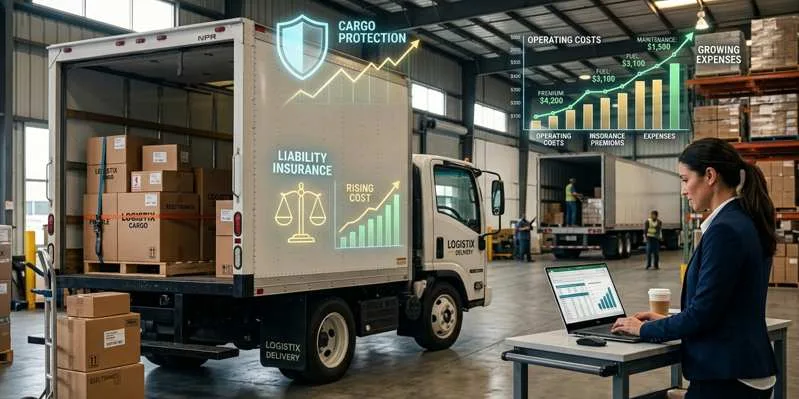


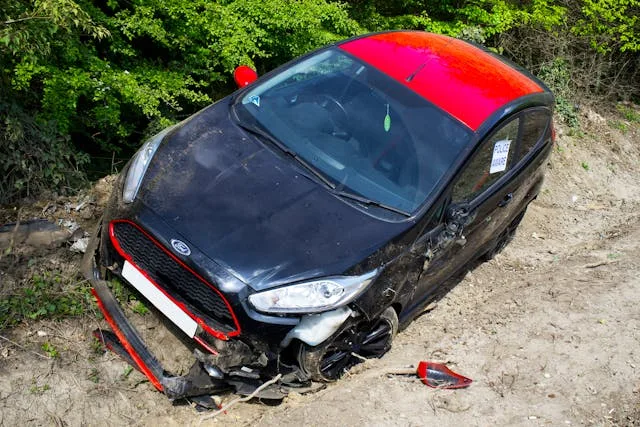
Box truck insurance usually costs more than personal auto insurance because the truck is being used for business, cargo, and commercial liability risk. Many small operators pay somewhere in the mid hundreds per month for basic commercial protection, while higher risk businesses, larger trucks, or broader coverage can push the price much higher. The exact premium depends on your operation, not just the truck itself.
This matters because the cheapest quote is not always the best choice. A low premium that leaves major gaps can become very expensive after an accident, cargo loss, theft, or lawsuit. The better goal is to find the lowest cost policy that still protects your truck, your business, and your income properly.
What Box Truck Insurance Means?
Box truck insurance is a type of commercial vehicle insurance designed for trucks used to transport goods, tools, equipment, or business property. It is built for work use, which means it is different from personal car insurance. If you use a box truck for deliveries, moving services, contracting work, furniture transport, or other business jobs, commercial coverage is usually the right kind of policy.
This type of insurance is meant to protect not only the truck itself, but also the business risks that come with operating it. A business accident can create much bigger financial problems than a normal private driving accident. That is why insurers price commercial truck coverage differently and usually require more detailed information before giving a quote.
In simple terms, box truck insurance exists to protect a working vehicle and the business activity connected to it.
How Much Box Truck Insurance Usually Costs
The cost of box truck insurance can vary widely, but many small operators and owner operators see prices that land in the few hundred dollars per month range for basic commercial protection. Some businesses with low risk local operations may pay less, while larger or more complex businesses can pay much more.
A useful way to think about it is this. A lower risk local delivery operator with one truck, one clean driver, and moderate coverage may land on the lower side of the range. A for hire operator carrying valuable cargo, driving more miles, or using a heavier truck may land on the higher side. If you add broader protection like physical damage and cargo insurance, the price usually rises again.
So there is no single fixed box truck insurance cost. The number always depends on how the truck is used and how much risk the insurer sees.
Why Box Truck Insurance Costs More Than Personal Auto Insurance
Commercial insurance usually costs more because business driving creates more exposure. A box truck often spends more time on the road, may carry expensive cargo, may operate in busy business zones, and may create larger liability claims if something goes wrong. The insurer is not only thinking about vehicle damage. It is also thinking about lawsuits, medical bills, lost cargo, and business interruption risk.
That is why a box truck policy is not just a bigger version of a personal auto policy. It is a different kind of protection with more moving parts. Even if the truck looks small enough to drive like a normal vehicle, the insurance risk can still be much higher because of what the truck is doing every day.
This is one of the main reasons business owners are often surprised by the price when they first shop for box truck coverage.
Main Types of Coverage in a Box Truck Policy
The foundation of most box truck insurance policies is commercial auto liability. This coverage pays for injuries or property damage you cause to other people while operating the truck. If your driver hits another car, damages a building, or injures someone, liability insurance is what usually responds first.
Many businesses also add physical damage coverage. This usually includes collision and comprehensive protection. Collision helps pay for damage to your own truck after a crash. Comprehensive helps with theft, fire, vandalism, weather damage, or other covered non collision losses.
Cargo coverage may also be important if your truck carries goods for customers or for business use. That helps protect the value of the items inside the truck if they are damaged or stolen under covered conditions.
| Coverage Type | Main Purpose |
|---|---|
| Commercial auto liability | Pays for damage or injuries you cause to others |
| Collision coverage | Helps repair your truck after an accident |
| Comprehensive coverage | Helps with theft, fire, vandalism, and weather losses |
| Cargo coverage | Protects goods being transported |
| Non trucking liability | Adds protection in certain non business use situations |
Commercial Auto Liability Is the Most Important Part
If you ask what part of the policy matters most, the answer is usually liability coverage. This is the protection that stands between your business and the cost of damage or injuries you cause to others. In many serious crashes, liability losses are far more expensive than the truck repair itself.
That is one reason liability limits deserve real attention. Choosing the lowest possible limit may reduce the premium, but it can also leave your business exposed if a claim goes above the policy amount. A major accident involving injuries or multiple vehicles can become expensive very quickly.
Physical Damage Coverage Protects the Truck Itself
Many business owners focus so much on liability that they forget how important the truck itself can be. If your box truck is damaged badly in an accident, stolen, or hit by a storm, your business may lose not only the vehicle but also the income it helps produce every day.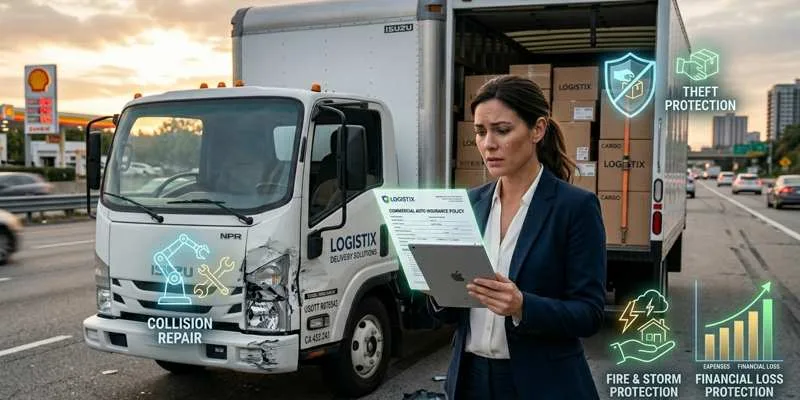
That is why physical damage coverage can be so important. Collision helps when the truck is damaged in a crash. Comprehensive helps with things like fire, theft, vandalism, falling objects, and certain weather events. If the truck is financed or newer, this part of the policy often matters a lot.
The premium will usually be higher with this coverage, but so is the protection. The real question is whether your business could comfortably replace the truck out of pocket if something major happened.
Cargo Insurance Can Change the Price Fast
Cargo insurance is another factor that can raise the premium, especially if you transport customer goods, expensive items, appliances, electronics, furniture, or sensitive materials. Sometimes the cargo exposure matters almost as much as the truck itself.
If you carry low value local materials, your cargo risk may be more modest. But if you transport costly items or work under contracts that require cargo protection, the insurer will factor that into the quote. Higher value cargo means higher possible claims, and that usually means higher premiums.
This is why two businesses with similar box trucks can still get very different insurance prices. The truck may be the same, but the cargo and business risk are not.
What Most Affects Box Truck Insurance Cost
Several major factors shape the premium. Truck size is one of them. A bigger and heavier truck usually costs more to insure than a smaller lighter one. Business type also matters. Local delivery work is often priced differently from moving services or long distance transport.
Driver record is another major factor. Clean records usually help lower premiums, while tickets, accidents, and inexperience usually raise them. Location matters too. Busy cities and high traffic areas often lead to higher rates than quieter markets.
Coverage level changes the premium as well. More protection means more cost. Higher limits, lower deductibles, and added coverage types all increase the price, but they also improve the strength of the policy.
| Factor | How It Affects Cost |
|---|---|
| Truck size and weight | Larger trucks usually cost more to insure |
| Business use | Higher risk work raises premiums |
| Driver history | Clean records help lower the price |
| Cargo type | High value cargo often increases the premium |
| Coverage level | More protection means a higher premium |
| Operating area | Urban and high traffic zones often cost more |
New Businesses Often Pay More
New box truck businesses often get higher quotes than established ones. That is because insurers do not yet have a long operating history to judge. A business with no prior commercial coverage history can look riskier than one with years of clean operation behind it.
This does not mean a new business cannot get affordable insurance. It just means first year pricing can be tougher. Over time, a clean claims history, better experience, and steady business operations can help improve rates.
So if you are launching a new delivery or moving business, it is smart to budget for insurance carefully instead of assuming the premium will stay near the lowest numbers you see advertised.
How Federal Requirements Can Affect Cost
Some box truck businesses also have to think about federal rules, not just state rules. If your operation crosses into for hire trucking territory or falls under federal authority rules, required liability limits can go higher. That can directly increase your premium because the insurer is being asked to carry more exposure.
A good external source to understand that side better is FMCSA insurance filing requirements, which explains liability minimums for for hire property carriers.
This is important because some owners assume all box truck insurance works like local commercial auto coverage. In reality, your authority type and operating model can change both your legal requirements and your cost.
How To Find Cheap Box Truck Insurance Without Making a Bad Choice
The first rule is simple. Compare multiple quotes. One insurer may price your delivery business much better than another, even if the coverage looks similar. Shopping only one company leaves too much to chance.
The second rule is to match the coverage to your real operation. Do not underinsure just to save a little money. But do not overpay for coverage you do not need either. The right policy is the one that fits the way you actually use the truck.
The third rule is to look at deductibles carefully. A higher deductible can lower the premium, but only choose it if you could honestly afford to pay that amount after an accident or major loss.
Safe Driving and Better Management Can Lower the Cost
Over time, one of the best ways to lower box truck insurance cost is simply to run a safer operation. Clean driving records, fewer claims, better vehicle maintenance, and clear safety procedures all help reduce risk. Lower risk usually leads to better insurance pricing.
Insurers like businesses that are organized and predictable. That means proper maintenance records, careful driver screening, route planning, and loss prevention habits can all support lower premiums. These things may not drop the rate overnight, but they can improve your position over time.
In commercial insurance, prevention is often one of the best cost saving tools.
Cheap Coverage Should Still Protect Your Income
Many owners focus on protecting the truck but forget to think about the income the truck creates. If your business depends on that vehicle every day, losing it even for a short time can damage cash flow fast. That is one reason why choosing insurance based only on price can be risky.
A cheaper policy that leaves out important protection may save money this month but cost far more after a claim. This is especially true if you rely on the truck as your main source of business income. The right policy should protect not only the vehicle, but also the business continuity behind it.
Should You Work With a Broker or Go Direct
That depends on your operation. Some small business owners prefer going directly to insurers because it feels simpler. Others prefer a broker because brokers can compare several companies and help explain policy differences more clearly. If your operation is more complex, a broker can often save time and help avoid coverage gaps.
Direct buying can work well when your business is simple and your needs are easy to understand. A broker can be more useful when you have multiple trucks, changing cargo, contract requirements, or unusual risks that are harder to compare on your own.
The best choice is the one that helps you understand the policy properly, not just buy it quickly.
| Approach | Best For |
|---|---|
| Direct from insurer | Simple one truck operations with straightforward needs |
| Broker comparison | Businesses with more complex commercial risks |
Simple Cost Range to Remember
If you want one easy takeaway, use this. Many small box truck operators pay in the mid hundreds per month for solid commercial protection, while higher risk businesses, larger trucks, or broader coverage can push the premium much higher.
That is not a fixed rule, but it is a realistic way to think about the market. The final price always depends on the operation, not just the truck model.
Once you understand that, quotes start to make more sense and it becomes easier to judge whether an offer is reasonable or not.
Conclusion
Box truck insurance cost depends on several things, including truck size, cargo, business type, driver record, coverage level, and operating area. Many lower risk operators pay a few hundred dollars per month, while broader coverage and higher exposure businesses can pay much more. The smartest goal is not just to find the cheapest quote. It is to find the cheapest policy that still protects your truck, your cargo, your liability, and your business income properly.
If you remember one thing, remember this. Box truck insurance is not only about the truck. It is about protecting the business built around that truck. Once you shop with that mindset, it becomes much easier to make a better decision.