

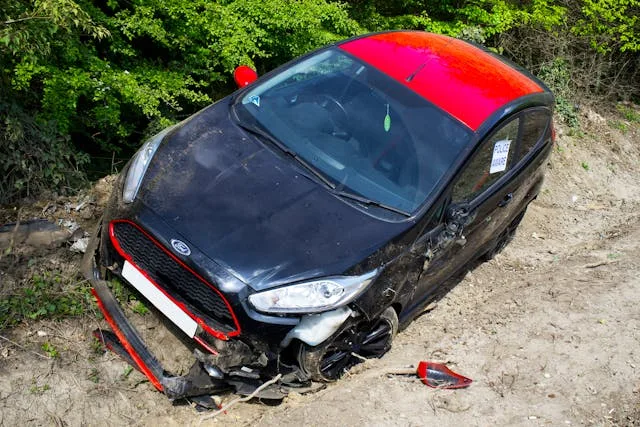
The main purpose of having auto insurance is to protect you financially after an accident or other covered loss. It can pay for injuries, vehicle damage, property damage, legal liability, and other covered expenses that would otherwise have to come out of your own pocket. In simple terms, auto insurance helps turn a potentially huge financial problem into a more manageable one.
This matters because even a single crash can create costs that are much higher than most people expect. Medical bills, repair costs, lawsuits, towing, rental cars, and lost income can add up very fast. Auto insurance exists to reduce that risk.
What Auto Insurance Really Does?
Auto insurance is a contract between you and an insurance company. You pay a premium, and in return the insurer agrees to cover certain types of losses based on the policy terms. Different coverages protect different risks, but the central idea stays the same. Insurance helps shield you from major financial harm.
That means car insurance is not mainly about the car alone. It is also about your money, your legal responsibility, and your ability to recover from a bad situation without being financially crushed. A car accident can affect much more than your vehicle. It can affect your savings, income, and future finances.
So the main purpose is not just fixing your car. The main purpose is broader financial protection from driving related risk.
The Main Purpose, Financial Protection
The clearest answer is financial protection. If you are in an accident and do not have insurance, you may have to pay thousands or even tens of thousands of dollars on your own. In a serious crash, the costs can be much higher than that.
Auto insurance helps protect you from those losses by paying covered claims up to your policy limits. This can include damage to other people’s cars, medical expenses for injured people, repairs to your own vehicle, or legal defense if someone sues you after an accident.
That is why the main purpose of auto insurance is not convenience. It is protection from financial loss that could otherwise be devastating.
Why Legal Requirements Exist
Another major reason auto insurance matters is that most places legally require drivers to carry at least some form of coverage. This usually focuses on liability insurance, which pays for harm you cause to others. The law requires it because driving creates risk not only for you, but for everyone around you.
If drivers caused injuries or property damage and had no way to pay for it, victims would be left with huge unpaid losses. Insurance laws exist to reduce that problem. They are meant to make sure drivers can take financial responsibility for the harm they may cause.
So one purpose of auto insurance is legal compliance, but the deeper purpose is financial responsibility on the road.
Liability Insurance Protects You From What You Cause
Liability coverage is one of the most important parts of auto insurance because it protects you when you are responsible for an accident. If you damage another car, hit a fence, or injure another driver, liability insurance can help pay those costs.
This matters because many accident costs go far beyond basic repair bills. Injuries can lead to emergency care, follow up treatment, lost wages, and legal claims. Property damage can also become expensive very quickly, especially if multiple vehicles are involved.
Without liability insurance, you might be personally responsible for all of it. That is one of the clearest reasons auto insurance exists in the first place.
| Coverage type | Main purpose |
|---|---|
| Liability insurance | Pays for damage or injuries you cause to others |
| Collision coverage | Helps repair your car after a crash |
| Comprehensive coverage | Helps with theft, fire, vandalism, weather, and other non crash losses |
| Uninsured motorist coverage | Protects you if another driver has no insurance |
| Medical payments or PIP | Helps cover medical expenses after an accident |
It Also Protects Your Own Vehicle
Many people think auto insurance is only for paying the other person after an accident. That is only part of the story. Collision and comprehensive coverage help protect your own vehicle as well, depending on what happened.
Collision coverage usually helps pay for repairs to your car after an accident. Comprehensive coverage usually helps with non collision losses such as theft, hail, vandalism, fire, or falling objects. This is why many drivers keep full coverage on newer or financed vehicles.
If you are comparing stronger protection options, a related guide that fits naturally here is cheapest auto insurance Tulsa, especially for readers trying to balance lower cost with enough real protection.
Auto Insurance Protects Your Savings
One of the biggest hidden benefits of auto insurance is that it protects your savings and future income. Without coverage, a major accident could force you to use your emergency fund, go into debt, or even face wage garnishment in some legal situations.
People often focus only on the monthly premium and forget the size of the risk they are transferring. The premium may feel annoying now, but it is usually tiny compared to the possible cost of a serious claim.
This is why insurance is really a risk management tool. It helps protect what you have worked hard to build.

It Helps You Recover Faster After an Accident
Another purpose of auto insurance is speed of recovery. After an accident, people do not only need money. They also need help getting repairs started, handling claims, arranging towing, and sometimes getting temporary transportation.
A good insurance policy can make that process much easier. Instead of trying to solve everything alone while stressed, you have a system in place that can help handle the loss according to the coverage you purchased.
So insurance is not only about paying later. It is also about helping you move forward faster after something goes wrong.
It Protects You From Other Uninsured Drivers
Not every driver on the road is properly insured. That creates another major reason for having auto insurance. If someone with no insurance or not enough insurance causes a crash, uninsured or underinsured motorist coverage may help protect you.
This is important because a careful driver can still suffer losses because of someone else’s bad decision. Insurance is not only about your own mistakes. It also helps protect you from the risks created by other people on the road.
That makes auto insurance a shield from both your own liability and the carelessness of others.
Why Full Coverage Exists
Full coverage exists because many drivers need more than just the legal minimum. Minimum liability insurance may keep you legal, but it often does not protect your own car or cover enough financial exposure in a serious crash.
That is why many people add collision and comprehensive coverage. These options increase the premium, but they also provide broader protection. For drivers with newer vehicles, financed cars, or limited savings, this can be a very important choice.
If you are trying to decide whether stronger protection is worth the cost, it can also help to read a related budget minded guide like Tesla Model 3 insurance cost, because it shows how vehicle type changes both risk and coverage decisions.
The Purpose Is Different for Different Drivers
The main purpose stays the same, but the practical reason can look slightly different depending on the driver. For one person, the priority may be legal compliance. For another, it may be protecting a financed car. For someone else, it may be shielding family savings from liability risk.
A young driver with an older car may care most about affordable liability coverage. A family with two newer vehicles may care more about full coverage and uninsured motorist protection. A high mileage commuter may care most about broad coverage and reliable claims support.
So the purpose is always financial protection, but the exact type of protection can vary based on your life and risk level.
| Driver type | What auto insurance mainly protects |
|---|---|
| Budget driver with older car | Legal liability and basic financial risk |
| Driver with financed vehicle | Liability plus damage to the financed car |
| Family household | Savings, vehicles, medical risk, and broader financial security |
| High risk driver | Protection against very costly future claims and legal exposure |
What Happens Without Auto Insurance
Without auto insurance, even a moderate accident can become a serious financial problem. You may be responsible for repair bills, medical costs, legal fees, and replacement transportation all at once. If another person is badly hurt, the costs can rise far beyond what most people could comfortably pay.
You may also face legal penalties for driving uninsured, depending on your state. That can include fines, license issues, registration problems, and other consequences. So going without coverage is not only risky. It can also be unlawful.
That is why the real cost of no insurance is often much bigger than the monthly premium you were trying to avoid.
Cheap Insurance Still Needs to Do the Job
Many drivers want the cheapest possible policy, which is understandable. However, the main purpose of auto insurance is protection, so a very cheap policy that leaves major gaps may not truly serve its purpose well.
For example, very low limits may save money each month but leave you exposed after a serious claim. The goal should be affordable insurance that still protects your real financial risks. Cheap matters, but useful matters more.
If someone is focused on lowering costs and changing carriers without creating a coverage gap, a natural internal next step is how to switch auto insurance. That fits readers who want better value without losing the protection they already have.
Peace of Mind Is Also a Real Purpose
Auto insurance also gives peace of mind. When you know you have coverage in place, driving becomes less stressful because you know one mistake or one bad day is less likely to ruin you financially.
That peace of mind is not imaginary. It comes from knowing you have a plan for something unpredictable. You may never need to file a major claim, but if you do, the policy is there to help absorb the shock.
So while financial protection is the main purpose, emotional security is a very real secondary benefit too.
Simple Way to Remember the Main Purpose
If you want one easy sentence to remember, use this. The main purpose of auto insurance is to protect you from major financial loss after an accident or other covered event.
That sentence works because it includes the broad idea, not just one narrow part of coverage. It reminds you that insurance protects your money, your legal position, and your ability to recover.
Once you understand that, every type of coverage makes more sense.
Conclusion
What is the main purpose of having auto insurance. The main purpose is financial protection. It helps cover the cost of injuries, property damage, vehicle repairs, legal liability, and other covered losses so that one accident does not become a financial disaster. It also helps you meet legal requirements, protect your savings, and recover more smoothly after something goes wrong.
The most important thing to remember is that auto insurance is not just another bill. It is a protective tool. A good policy helps keep one bad moment on the road from turning into a much bigger long term problem.