The $23.7 Million Lottery Prize Nobody Claimed: How One Forgotten Ticket Became Worthless
By StarUnbox Team | Published July 7, 2026 | Updated July 7, 2026
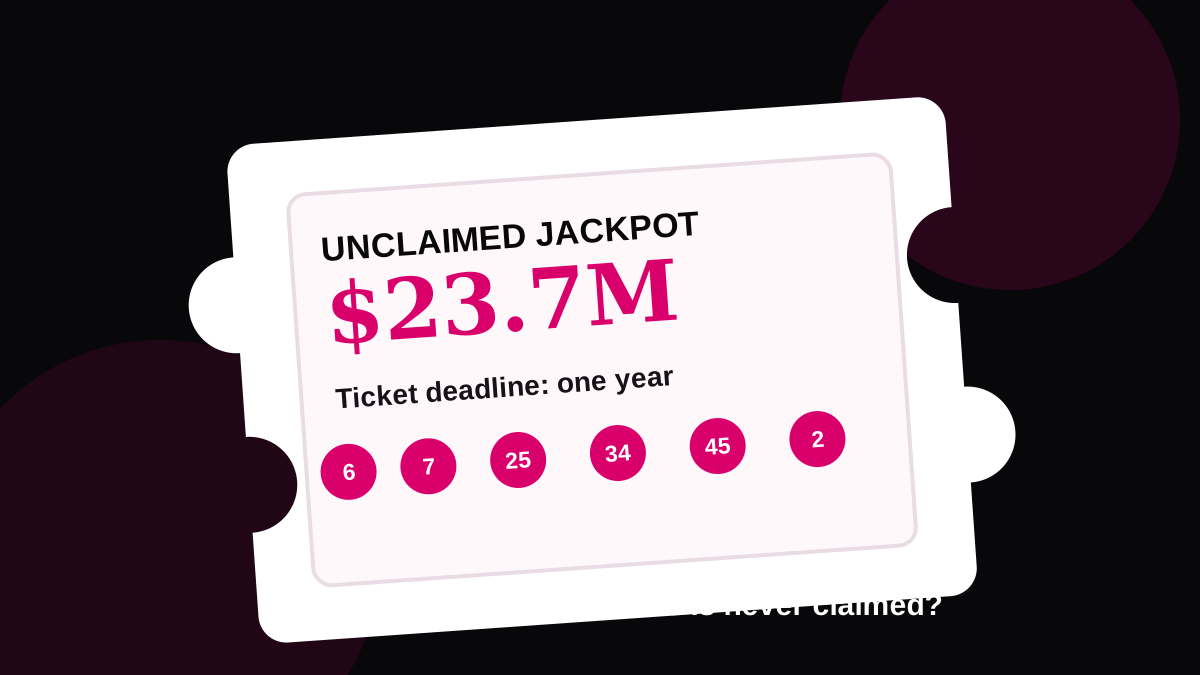
A winning lottery ticket can change a life, but only if the winner actually claims it. One of the most painful lottery stories in U.S. history involved a New Jersey Big Game ticket worth $23.7 million. The ticket was real, the numbers matched, and the prize was waiting. Then the deadline arrived, and the fortune became worthless.
| Quick Fact | Details |
|---|---|
| Prize value | $23.7 million lump-sum cash option |
| Original jackpot | $46 million Big Game jackpot |
| Ticket location | Krauszer’s convenience store, Montvale, New Jersey |
| Purchase date | June 9, 2000 |
| Expiration date | June 9, 2001 |
| Winning numbers | 6, 7, 25, 34, 45 and Big Money Ball 2 |
The $23.7 Million Ticket That Nobody Brought In
The story began with a Big Game ticket purchased in Montvale, New Jersey, on June 9, 2000. According to an Associated Press report carried by Wired, the ticket matched the winning numbers for a $46 million jackpot. Because the cash option had been selected, the ticket holder was due $23.7 million if they came forward within the required one-year period.
That is the part that makes the case so memorable. The winner did not need to beat impossible odds again. They already had. The only thing left was to present the ticket before the deadline. But as June 9, 2001 approached, lottery officials still had no winner.

Why Lottery Deadlines Matter
Lottery tickets are not open-ended promises. Every game has rules, and claim windows matter. In this case, the New Jersey ticket had a one-year expiration period. After midnight on the deadline date, the ticket no longer carried the same power. The paper that could have created generational wealth became only a reminder of a missed chance.
That deadline rule may sound harsh, but it is central to lottery systems. Lottery agencies need final accounting. They must know whether a prize has been claimed, whether money must be paid, or whether unclaimed funds return to the participating jurisdictions or are distributed according to lottery rules.
What Happened to the Money?
The original report said the unclaimed money would revert to the states participating in the game at the time. The Big Game later became part of the Mega Millions story, but in 2001 it was still operating as a multi-state lottery game. If nobody claimed the ticket, the prize pool did not sit forever waiting for a mystery winner.
That is what separates lottery winnings from a bank account. A jackpot is only a prize if the claim is valid and made on time. Without that step, the system closes the book.
How Could Someone Miss a $23.7 Million Prize?
There are several realistic possibilities. The buyer may have lost the ticket, forgotten to check the numbers, thrown it away by mistake, or never realized the value of the small slip of paper. The ticket was reportedly a quick-pick, meaning the numbers were randomly generated rather than personally chosen. That can make it easier for a casual player to forget about it.
This is why lottery officials often warn players to sign tickets, store them safely, and check results quickly. A winning ticket is a bearer instrument in many lottery systems. If the ticket disappears, proving ownership can become difficult or impossible.
The Lesson for Every Lottery Player
The story is entertaining, but the lesson is practical. If you buy a lottery ticket, do not leave it in a coat pocket, car console, drawer, or grocery bag. Take a photo, sign the back where appropriate, and check the numbers after the drawing. If the prize is large, speak with legal and financial professionals before making public moves.
For more unusual money stories and celebrity finance explainers, visit our Articles archive and Latest Net Worth section.
Why This Story Still Gets Attention
Most lottery stories are about sudden wealth. This one is about almost-wealth. That makes it more haunting. Someone may have walked around New Jersey with a $23.7 million ticket and never knew it. Or they knew too late. Either way, the case shows that winning numbers are only the first half of a lottery miracle.
Recommended Internal Reads
Frequently Asked Questions
Was the $23.7 million lottery prize real?
Yes. The Associated Press report said the New Jersey Big Game ticket matched the winning numbers and was worth $23.7 million as a cash-option prize.
Where was the winning ticket bought?
It was bought at Krauszer’s in Montvale, New Jersey.
Why did the winner lose the money?
The prize had a one-year claim deadline. When no valid claim was made before the deadline, the ticket expired.
What should lottery players do after buying a ticket?
They should sign it if allowed, store it safely, check results promptly, and follow the official lottery claim process.
Can an expired lottery ticket still be paid?
Usually no. Once the official claim deadline passes, lottery rules normally prevent payment.