

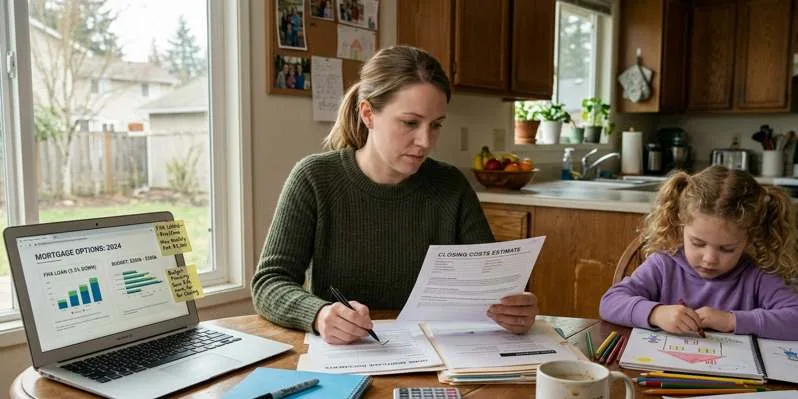

Single mothers in the USA can buy a home by focusing on budget, credit, down payment planning, and the right loan programs, especially FHA and local first time buyer assistance. There is no special national mortgage just for single mothers, but many women qualify through mainstream programs, state help, gift funds, housing counseling, and careful lender comparison.
That short answer matters because many websites make this topic sound magical. However, homeownership usually happens through steady preparation, not secret shortcuts. This guide will help you understand the real steps, avoid costly mistakes, and move forward with more confidence.
Why This Goal Feels Harder Than It Should
Buying a home as a single mother can feel overwhelming because one income often has to do the work of two. Rent, food, transportation, childcare, school needs, and emergency costs can leave very little extra each month. That pressure makes the dream feel far away, even when it is still possible.
There is also a lot of bad advice online. Some pages promise special grants that are not widely available, while others make homeownership sound impossible unless you have a huge down payment. In real life, many buyers succeed with smaller down payments, better budgeting, and the right local support.
The key is to stop looking for a perfect situation and start building a workable one. A good plan can matter more than a perfect income. Once you understand what lenders actually look for, the process becomes more practical and less scary.
Can a Single Mother Really Buy a Home in the USA
Yes, many single mothers can buy a home in the USA. The path usually depends on credit, income, debt, savings, and local programs, not on marital status alone. That is important because it means the door is not closed just because you are buying on your own.
HUD explains that FHA loans can help first time buyers with lower down payments, and HUD also points buyers to state homebuying programs that may offer assistance depending on location. In addition, the Housing Choice Voucher homeownership option exists in some communities for eligible families already in the voucher program.
So the better question is not “Can I buy.” The better question is “What steps do I need to take first.” That shift in thinking helps a lot, because it turns a vague dream into a real plan.
Start With the Budget Before the House
This is the step many people want to skip, but it matters the most. Before you shop for homes, you need to know what payment feels safe in your real life. Not what a lender might approve on paper, but what you can handle while still paying for childcare, groceries, school needs, and surprises.
The CFPB recommends preparing before shopping by checking your finances, setting your budget, and creating a loan application packet. It also says you should look at what fits comfortably within your family’s income, expenses, and savings priorities. CFPB homebuying preparation guide. CFPB affordability question guide.
This is where honesty matters. If one missed paycheck would make the house feel dangerous, the target budget may be too high. A home should give you stability, not constant stress.
If you want help getting your money more organized before applying, top free personal finance software is a useful internal read. It fits naturally because budget tracking is one of the smartest first steps before any mortgage application.
Loan Options That Often Help Single Mothers
You do not need a custom “single mom mortgage” to buy a home. In most cases, the best path comes from standard loan options that are already designed to help buyers with smaller savings, moderate income, or first time buyer status. The right loan depends on your numbers, your location, and the property you want.
| Loan or Help Type | What It Can Offer | Best Fit For |
|---|---|---|
| FHA loan | Lower down payment, easier credit standards | Buyers with limited savings or less than perfect credit |
| State or local assistance | Down payment or closing cost help | First time buyers and income qualified households |
| Housing Choice Voucher homeownership | Monthly homeownership expense support in some areas | Eligible voucher families where the program is offered |
| Gift funds | Help with down payment from approved sources | Buyers with family support |
FHA Loans and Why They Matter
FHA loans matter because they can lower the savings barrier. HUD says FHA down payments can be as low as 3.5 percent for eligible borrowers, which is one reason they are popular with first time buyers. This can make a real difference for single mothers who have stable income but do not have a large cash reserve.
Your own site already has a helpful FHA explainer, even though it is state focused. FHA loan requirements TN still works as a useful internal read because the core ideas about FHA down payments, credit, income, and primary residence rules are relevant to many readers.
FHA is not always the cheapest long term choice, but it can be one of the most realistic starting points. That is why many buyers begin there and compare from that baseline.
Down Payment Help and Gift Funds
Many buyers think they must save everything alone. However, some buyers use state or local assistance, while others use approved gift funds from family or other allowed sources. This can ease the biggest early barrier, which is often the upfront cash needed for the down payment and closing costs.
Your internal guide on letter of gift mortgage fits perfectly here. If a parent, sibling, or close relative wants to help, that article explains why proper documentation matters and how gift funds can support mortgage approval.
This is one area where details matter a lot. A helpful gift can support your purchase, but poor documentation can slow the loan down. Therefore, always ask the lender how they want gift funds handled before money moves.
Credit, Debt, and Monthly Payment Reality
Credit score matters, but it is not the whole story. Lenders also look at your debt to income ratio, your employment stability, and whether the new mortgage payment fits your overall financial picture. That is why some buyers with average credit still get approved, while others with decent credit feel stretched.
You do not need perfect credit to move forward. What you do need is a realistic plan to reduce pressure where possible. Paying bills on time, lowering card balances, and avoiding new large debts before mortgage shopping can improve how your application looks.
Interest rates also shape what home price feels manageable. If you want a simple internal refresher on rate movements and why monthly payments can change so much, mortgage rates news is a relevant read. It helps explain why timing and affordability matter together.
Build a Safer Buying Plan
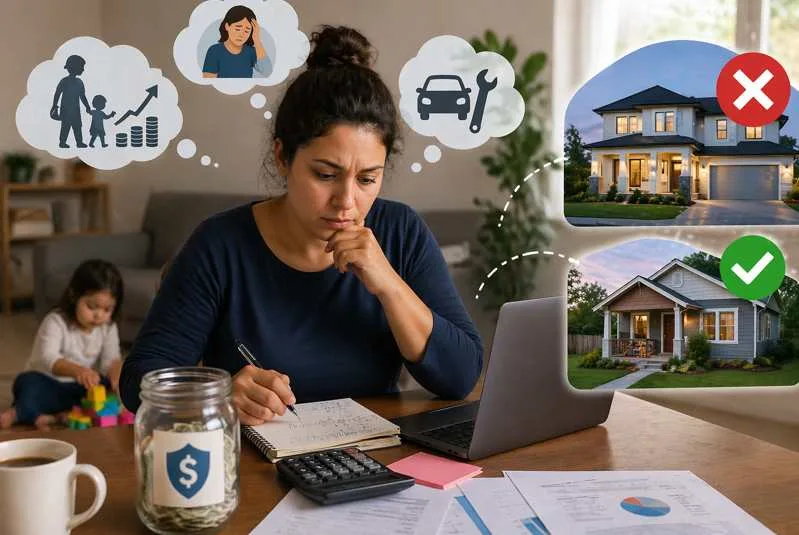
A safe plan starts with emergency thinking. Before you buy, ask yourself what happens if childcare costs rise, work hours drop, or a car repair hits. Homeownership comes with more control, but it also comes with more responsibility. That is why an emergency cushion matters so much.
Try to keep some cash after closing instead of spending every dollar on the purchase. New owners often face surprise costs in the first year, such as repairs, moving needs, utility setup, or basic home items. If every dollar goes into the closing table, the first setback can feel much bigger than it should.
This is also why buying below your maximum approval can be smart. A lender may approve one number, but your real life may point to a safer lower number. A calm home is usually better than a larger home that creates constant money stress.
Documents and Prep Work That Make Approval Easier
The application process becomes smoother when your documents are ready early. Lenders often want pay stubs, tax returns, bank statements, ID, debt information, and proof of any gift funds or assistance. The CFPB specifically recommends preparing your loan application packet before serious mortgage shopping begins. CFPB preparation steps.
Good organization saves time and lowers stress. It also helps you compare lenders more clearly because you can respond quickly when someone asks for the same document set. Small preparation can make you look stronger and feel more in control.
If you like system based money organization, credit card reconciliation is another internal read that can support better financial tracking before you apply.
Common Mistakes Single Mothers Should Avoid
The first mistake is shopping for the house before the budget is clear. That creates emotional pressure and can push you toward a home that looks perfect but feels too heavy every month. Start with the numbers, not the listing photos.
The second mistake is assuming there is one special grant that solves everything. Help does exist, but it is usually local, income based, limited, or attached to program rules. Therefore, it is better to build your plan around real loan options and treat assistance as support, not magic.
The third mistake is buying at the edge of affordability. A home can still be too expensive even when a lender says yes. Be careful with payment shock, childcare changes, and the hidden costs of owning, such as repairs, maintenance, and utility jumps.
Conclusion
Home buying tips for single mothers USA should start with one honest message, yes, this can be possible, but it works best through smart planning, not pressure. The strongest path usually includes a realistic budget, stable documents, credit improvement where needed, FHA or local assistance options, and careful lender comparison.
Take the process one step at a time. Check what you can safely afford, learn what help exists in your area, ask about FHA and gift funds, and build a small cushion before closing if you can. A thoughtful plan today can turn homeownership from a stressful dream into a steady, real goal.