

If you are searching for lorekeeper breeding, you probably want a clear answer without digging through confusing posts, game jargon, or scattered community guides. You want to know what it means, how it works, and how to do it the right way.
Direct Answer. Lorekeeper breeding is a system used in many adoptable, roleplay, and creature communities where two approved characters are paired to create an offspring. The result often depends on site rules, trait inheritance, design limits, rarity, and sometimes random rolls or admin approval.
This guide breaks it all down in simple English. You will learn how lorekeeper breeding works, what you need before you start, how traits often pass down, common mistakes, and how to get better results while staying within community rules.
What Is Lorekeeper Breeding
Lorekeeper breeding is a feature or community process that allows players to create a new character from two existing parent characters. It appears most often in adoptable species groups, creature collecting communities, and custom roleplay worlds.
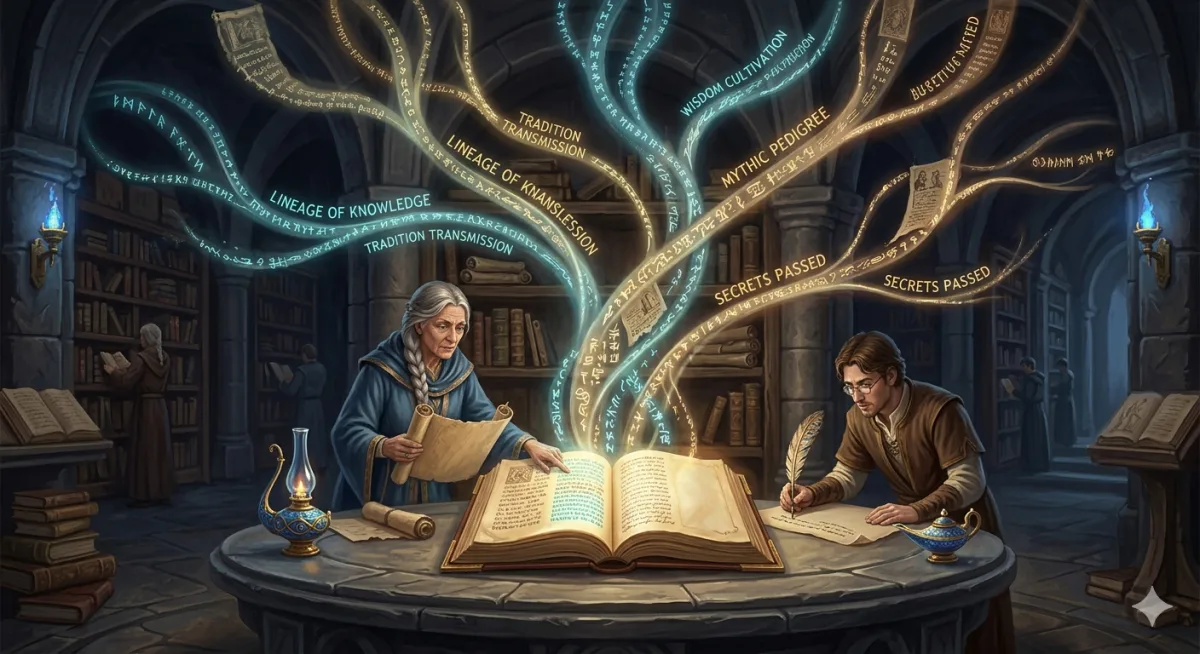
In many cases, a Lorekeeper site acts as the record system. It stores character profiles, lineage, traits, ownership, and breeding history. Because of that, breeding feels more organized and fair for everyone in the community.
Instead of making a new character from nothing, players use approved parents and follow set rules. This makes the offspring feel connected to the world, the lore, and the game economy.
Why Lorekeeper Breeding Matters In Character Communities
Breeding is not just about getting a new design. For many players, it is one of the most exciting parts of the whole experience. It adds growth, planning, and surprise to the game.
Some people use lorekeeper breeding to build family lines. Others want rare trait combinations, better design value, or story depth. In addition, breeding can make each new character feel more personal because it comes from choices the player made.
That emotional connection matters a lot. When players feel attached to a character line, they stay active longer and enjoy the world more deeply.
How Lorekeeper Breeding Usually Works
The exact system changes from one community to another, but the basic process stays similar. You choose two eligible parent characters, check the rules, submit the pairing, and receive an offspring result.
Sometimes the result is fully rolled by a system. In other communities, moderators or artists help decide the traits. Some groups use genetics charts, while others use trait pools, rarity tables, or permission based breeding items.
The important thing is this. Lorekeeper breeding is almost never random in a completely open way. There are usually limits that protect fairness, rarity, and the setting lore.
Basic Steps In A Typical Breeding Process
Most communities follow a simple pattern. Once you understand the structure, the process becomes much easier to follow.
- Choose two approved parent characters.
- Check if both parents are eligible for breeding.
- Confirm you own them, or have permission from the other owner.
- See whether a breeding item, slot, or token is required.
- Submit the breeding request through the Lorekeeper or community form.
- Wait for the trait result, roll, or design approval.
- Create or receive the offspring character profile.
Even though the steps look simple, each one can have small rules attached. Therefore, always read the breeding guide for that specific species or group before you submit anything.
Requirements Before You Start Lorekeeper Breeding
Many beginners try to breed right away and then get stuck because they missed one small requirement. That can waste time and sometimes in game currency. A quick check before you begin helps a lot.
Most communities require the parent characters to be official, approved, and linked to the owner account. In some cases, the parents also need a minimum age, a breeding cooldown, or a clean profile with no pending changes.
You may also need breeding permissions, especially when one parent belongs to another player. This protects ownership rights and prevents confusion later.
Common Requirements You May See
These rules appear often in adoptable and Lorekeeper based groups. Not every community uses all of them, but many use at least some.
- Both parents must be official and active.
- Both parents must meet age or lore requirements.
- The owner must hold a breeding item, token, or slot.
- Crossbreeding may be limited or banned.
- Some rare traits may need special permission.
- Parents may have cooldown periods between breedings.
- A player may need design approval before the offspring becomes official.
Checking these first saves you from disappointment. It also shows respect for the group rules and the people who manage the community.
Traits, Genetics, And Inheritance In Lorekeeper Breeding
This is the part most players care about most. They want to know what the offspring can inherit and how likely each trait is to appear. The answer depends on the species system.
Some communities use simple inheritance. A trait can pass from either parent if that trait appears on the official design. Other groups use dominant and recessive systems, mutation rules, rarity locks, or random roll charts.
Because of that, lorekeeper breeding can be part strategy and part surprise. You can improve your chances by choosing parents carefully, but you often cannot control every detail.
Types Of Traits That May Pass Down
Most breeding systems divide traits into categories. This makes the offspring easier to build and balance.
| Trait Type | What It Usually Includes | How It May Inherit |
|---|---|---|
| Base Traits | Body type, species markers, ear shape, tail form | Usually chosen from one or both parents |
| Color Traits | Main palette, markings, eye color, accent colors | May blend, pull from parents, or follow palette rules |
| Rare Traits | Mutations, extra limbs, glowing parts, unusual anatomy | Often restricted, rolled, or item locked |
| Lore Traits | Rank, bloodline, region, magical bond, elemental type | May need special approval or story proof |
This type of structure helps communities avoid chaos. It also keeps rare features valuable and makes breeding results feel balanced rather than random.
Why Rare Traits Are Usually Limited
Rare traits make a species feel special. If every offspring could inherit every rare feature, those traits would stop feeling rare very quickly. That hurts both the design value and the worldbuilding.
For that reason, many groups place limits on unusual traits. Some only pass with a low roll. Others require special items, event rewards, or lineage rules. In addition, some traits cannot stack together at all.
These limits may feel strict at first, but they usually improve the long term health of the community.
Items And Currency Used In Lorekeeper Breeding
Many Lorekeeper communities use breeding items or currency. These systems add structure and prevent unlimited breeding. They also create goals for players to work toward through gameplay, events, or trading.
A breeding item might allow one pairing, unlock an extra trait chance, or remove a cooldown. Some games also use special upgrades that improve roll odds or open uncommon inheritance paths.
If your group has an economy, always check the item description carefully. One item may be used up after breeding, while another may only apply to one parent or one specific species type.
Items often change the outcome of a breeding request in small but important ways. For example, a token might let you breed without waiting, while a charm might add a tiny chance for a rare marking.
Because of that, experienced players do not spend items too quickly. They save them for pairings that already have strong design potential or important story value.
This is one reason planning matters so much in lorekeeper breeding. Good timing can be just as important as good parent choice.
How To Choose Good Parents For Better Offspring Results
Parent choice is one of the biggest factors in breeding success. A good pairing is not only about rarity. It should also make sense in design, lore, and value.
Start by looking at both parents side by side. Notice which traits overlap, which colors match, and which features might clash. In many cases, a clean and balanced pairing leads to better offspring than a pairing built only around rare traits.
Think about what you actually want from the result. Do you want a story based character, a beautiful design, a future trading asset, or a long term heir for your line. Your goal should shape your pairing choice.
What To Look For In A Pairing
Here are a few smart things to check before you lock in a breeding pair.
- Trait compatibility, especially core body traits.
- Color harmony between both parent designs.
- Rarity balance, without relying only on rare features.
- Lineage value, if the community tracks bloodlines.
- Story connection, if lore matters in approvals.
- Market appeal, if you may trade or sell later.
Strong pairings usually feel intentional. They are not just two random characters placed together because both happen to be available.
Design Planning After The Breeding Result
Once you receive the breeding result, the fun really begins. Now you need to turn that result into a finished offspring design that fits the traits and still looks appealing.
This step is where many beginners struggle. They try to include every inherited feature in the loudest way possible. However, a better approach is to build a design that feels clear, readable, and balanced.
Use the trait list as your foundation, not as a reason to overcrowd the character. A strong design often uses contrast, visual flow, and one or two standout features instead of ten competing ones.
Easy Design Tips For Offspring Characters
These tips help a lot when you are turning rolls into a finished character.
- Choose one main focal point, such as the face, wings, or tail.
- Keep the color palette connected and easy to read.
- Use markings with purpose, not just because they are available.
- Make sure rare traits still match the full design.
- Check the species guide so your design stays legal.
[Internal Link: How To Design Better Adoptable Characters]
Common Mistakes In Lorekeeper Breeding
Many problems in lorekeeper breeding come from rushing. Players get excited, skip the rules, and then feel frustrated when a result gets rejected or turns out weaker than expected.
The good news is that most of these mistakes are easy to avoid. A little planning goes a long way. In addition, communities usually reward players who read the rules and respect the process.
Mistakes Beginners Often Make
These issues show up again and again in breeding based communities.
- Not checking if both parents are actually eligible.
- Ignoring cooldowns, breeding limits, or item rules.
- Using parents with clashing traits and colors.
- Expecting guaranteed rare trait inheritance.
- Designing the offspring outside official species limits.
- Forgetting to get permission from a co owner or second player.
If you avoid these mistakes, you already put yourself ahead of many new players.
How Lorekeeper Breeding Supports Storytelling
Breeding is not only a mechanical system. It can also be one of the best storytelling tools in a character based world. An offspring can continue a family line, carry inherited themes, or reflect two very different backgrounds.
For example, one parent may come from a royal line while the other comes from a wild region. The offspring can visually and emotionally show both histories. That creates richer roleplay and stronger character bonds.
This is why many players care more about story than rarity. A meaningful offspring often becomes more loved than one that only rolled rare features.
When you plan a breeding around story, think beyond the design sheet. Ask what the offspring represents, where they fit in the world, and what kind of future they may have.
That extra thought makes the result feel real. It also helps you create characters that other players remember.
[Internal Link: Building Character Backstories In Lorekeeper Worlds]
Fairness, Rules, And Community Trust
A good breeding system protects fairness. It makes sure no one can abuse rare traits, bypass ownership limits, or flood the community with overpowered designs. Without rules, breeding systems often become messy very fast.
That is why Lorekeeper based communities usually rely on written guidelines and visible character records. If you want to understand how healthy online communities work, resources from Animal Humane Society community guideline advice and broader digital community practices can be helpful examples, even outside gaming contexts.
In addition, organized record systems matter a lot. Character tracking, ownership history, and trait logs help prevent disputes and protect trust across the player base.
Tips To Get Better At Lorekeeper Breeding Over Time
Like most systems, breeding gets easier with practice. The best players are not always the luckiest. They are often the people who study the rules, watch what works, and make thoughtful choices over time.
Keep notes on your pairings. Notice which traits combine well, which designs age nicely, and which items are worth saving. That small habit can improve your future results more than random trial and error.
You can also learn by reading design principles from trusted art education sources such as Canva's guide to design principles. Strong visual planning helps a lot when building offspring characters.
Practical Long Term Tips
These habits can help you grow from a beginner into a smart breeder.
- Study official trait sheets often.
- Save valuable breeding items for strong pairings.
- Build pairings around a goal, not only a guess.
- Balance design appeal with lore logic.
- Stay patient, because not every result needs to be rare to be great.
The more intentional you become, the more satisfying your lorekeeper breeding results will feel.
Conclusion
Lorekeeper breeding is much more than pairing two characters and hoping for the best. It is a mix of rules, planning, design sense, and community understanding. When done well, it creates offspring that feel meaningful, balanced, and exciting.
The smartest way to approach lorekeeper breeding is to slow down and work with purpose. Read the rules, choose parents carefully, respect rarity systems, and design with clarity after you get your result. That approach gives you better characters and fewer problems.
If you want stronger results, start with one thoughtful pairing instead of chasing every possible option. Learn your community system, take notes, and keep improving. Over time, you will build better offspring, stronger stories, and a character line you can feel proud of.