
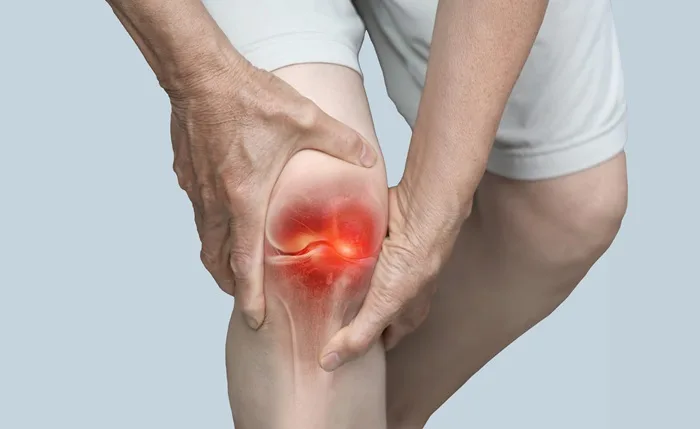

Joint pain is one of the most common health complaints among adults in the United States. From mild discomfort to severe inflammation, joint pain can affect daily activities and reduce quality of life. Millions of Americans experience joint pain due to aging, injury, arthritis, or underlying health conditions.
In this guide, we’ll explore the causes, symptoms, treatment options, and prevention strategies for joint pain.
What Is Joint Pain?
Joint pain refers to discomfort, soreness, or inflammation in any joint of the body. Joints are the points where two or more bones meet, such as the knees, hips, shoulders, elbows, and fingers.
Joint pain can range from temporary stiffness to chronic pain that lasts for months or years. In many cases, it can significantly affect mobility and daily life.
Common Causes of Joint Pain
Several factors can lead to joint pain. Some of the most common causes include:
1. Arthritis
Arthritis is the leading cause of joint pain in the United States. Two of the most common types are:
-
Osteoarthritis: Caused by wear and tear of cartilage over time.
-
Rheumatoid Arthritis: An autoimmune disease that causes inflammation in the joints.
2. Injury
Joint injuries from accidents, sports, or falls can damage ligaments, tendons, or cartilage.
3. Bursitis
Bursitis occurs when small fluid-filled sacs that cushion the joints become inflamed.
4. Gout
Gout is a type of arthritis caused by uric acid crystals forming in the joints, often affecting the big toe.
5. Overuse
Repeated movement or overuse of a joint, especially during work or sports, can lead to chronic pain.
Symptoms of Joint Pain
The symptoms of joint pain can vary depending on the underlying cause. Common symptoms include:
-
Swelling around the joint
-
Stiffness, especially in the morning
-
Reduced range of motion
-
Warmth or redness in the joint
-
Persistent aching or sharp pain
If joint pain lasts for more than a few weeks, it is important to seek medical advice.
Best Treatments for Joint Pain in the USA
Treatment for joint pain depends on the cause and severity. Some common treatments include:
1. Medications
Doctors may recommend anti-inflammatory medications or pain relievers to reduce discomfort.
2. Physical Therapy
Physical therapy helps strengthen muscles around the joints and improve flexibility.
3. Lifestyle Changes
Maintaining a healthy weight and staying active can reduce pressure on joints.
4. Joint Injections
In some cases, doctors may recommend corticosteroid or hyaluronic acid injections.
5. Advanced Medical Treatments
Modern clinics in the United States offer advanced therapies such as regenerative medicine and minimally invasive procedures to treat chronic joint pain.
Natural Ways to Reduce Joint Pain
Many people also use natural approaches to manage joint pain, including:
-
Regular low-impact exercise (walking, swimming, cycling)
-
Hot and cold therapy
-
Anti-inflammatory diets
-
Omega-3 fatty acids and supplements
-
Stretching and yoga
These methods can help reduce inflammation and improve joint mobility.
When Should You See a Doctor?
You should consult a healthcare professional if:
-
Joint pain lasts more than a few weeks
-
Severe swelling or redness appears
-
The joint becomes difficult to move
-
Pain follows an injury
Early diagnosis can prevent further joint damage and improve treatment outcomes.
Conclusion
Joint pain is a widespread health issue in the United States that can affect people of all ages. Understanding the causes, symptoms, and treatment options can help individuals manage pain effectively and maintain an active lifestyle.
With the right combination of medical treatment, lifestyle changes, and preventive care, most people can significantly reduce joint pain and improve their quality of life.