What Is the Internet of Things?
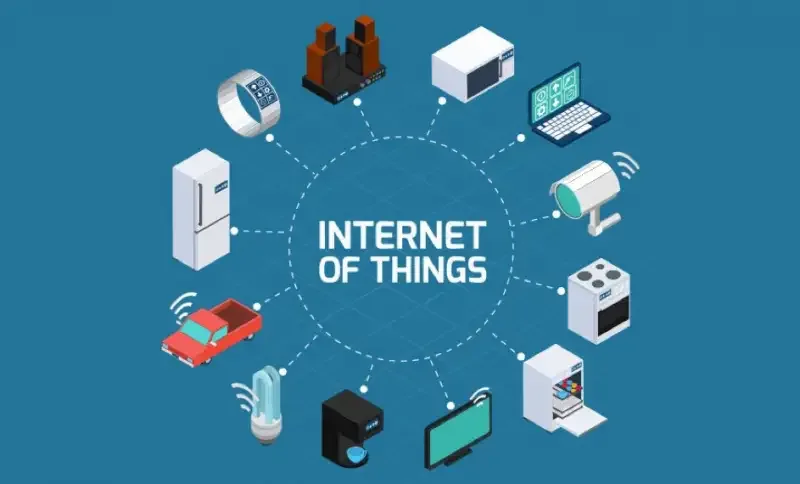
The Internet of Things (IoT) refers to a network of connected devices that communicate and exchange data over the internet. These devices can range from smart home appliances to industrial sensors, enabling automation, monitoring, and real-time decision-making.
Key Applications of IoT
-
Smart Homes: Automated lighting, thermostats, security systems, and appliances.
-
Healthcare: Remote patient monitoring, wearable devices, and connected medical equipment.
-
Transportation: Fleet management, smart traffic systems, and autonomous vehicles.
-
Agriculture: Precision farming with soil sensors, weather monitoring, and automated irrigation.
-
Industrial IoT: Equipment monitoring, predictive maintenance, and supply chain optimization.
Benefits of the Internet of Things
-
Enhanced efficiency and productivity across industries
-
Real-time data collection and analysis for better decision-making
-
Improved safety and security in homes and workplaces
-
Cost reduction through automation and predictive maintenance
-
Innovation in products, services, and customer experiences
Challenges of IoT
-
Security and privacy concerns due to connected devices
-
High implementation and maintenance costs
-
Data management and integration complexity
-
Risk of device malfunction or cyber attacks
Conclusion
The Internet of Things is revolutionizing the way we live and work. By connecting devices and enabling data-driven decisions, IoT creates opportunities for efficiency, innovation, and smarter living. Understanding its applications, benefits, and challenges is key to leveraging IoT effectively.